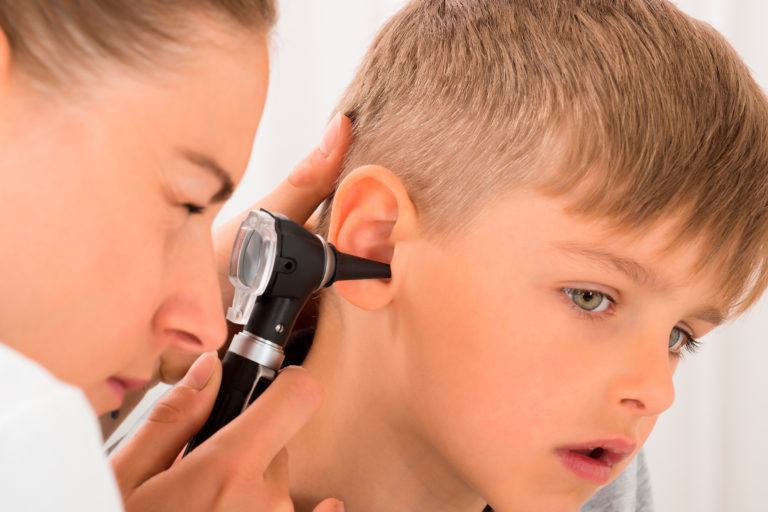
Remember that the final word on Ear Infections should be the doctor, an internet article can only be so helpful. That being said, I should also note that this article is not about middle ear infections, but about external ear infections, or external otitis. There is a slight difference in the symptoms between a middle ear infection and an external ear infection. A middle ear infection usually has the same problems as an external infection, but additionaly has acute pain, some dizziness, chills and/or a fever. If you’ve only got a bit of pain, or with some green/yellow gunk coming out of the hear with some slight problems hearing, you’re likely suffering an external infection of your ear…or you’ve got an infection in the lining of the ear canal. So, let’s talk about how to prevent and/or treat external otitis.
Ear Infection Symptoms and Causes
Symptoms
- Pain in the ear
- Exuding yellow/green puss
- Loss of hearing
- Believe it or not, hiccups. Look it up!
Causes
If you’ve got too much water in the ear (AKA moisture), that is likely the cause of the external infection. This is usually caused by the breakdown of ear wax caused either by harsh chemicals (ie. pool water) or by “cleaning” your ears with cotton swabs…something I’m quite guilty of.
Ear wax serves a couple of very important roles in your ears. First, ear wax helps to shed excess moisture from the ear canal. Secondly, eax wax helps to balance the Ph levels in your ears. If one of these two gets messed up, moisture builds up, and viruses, bacteria, or fungus can grow. If you’re having trouble with excess ear wax, here’s an article about how to remove ear wax safely.
Other causes of ear infections might be a damaged ear canal, allergies, or even eczema. It’s a good idea to see a physician in order to get a proper diagnosis if the infections continue happening.
If your ear infections are chronic, one idea is the possibility that you’re suffering from a Eustacian Tube Dysfunction. Again, your physician will help you out there.
Best Ear Infection Treatments and Preventions
To prevent ear infections, keep the moisture in your ears down.
After swimming–or even after a shower if you’re particularly susceptible to ear infections–it’s a good idea to put a few drops of a 1:1 mixture of water and vinegar into both ears. My way of dealing with this would be to tilt your head to let the liquid get into your ear, then tip the other way…maybe jumping up and down to help the liquid discharge. Then rinse/repeat on the other side. Then, wipe your ear with a dry cotton towel or a cotton ball. Don’t use cotton swabs to wipe the liquid out. The point is not to clean out your ears but to help them dry more quickly.
You can place a warm heating pad over your ear to encourage your glands to produce more wax and to help relieve pain.
This also dilates the capillaries and veins in and around your ears, allowing the blood to flow more freely, which allows white blood cells (specialized disease fighting cells) to make their way to the infected areas. It’s kind of like calling in the immuno cavalry. Note, however, that this isn’t so much a treatment as it is a temporary relief from the pain associated with an external ear infection.
If your ear infection is really painful, you should take either acetaminophen (Tylenol), ibuprofen (Motrin IB), or Aspirin.
Some things to keep in mind before you take any pain killers are: see a doctor if the pain is so high that you’re crying. Also, if you have a history of stomach ulcers or heartburn, you should stay away from Ibuprofen. And last, but not least, you should never give Aspirin to a child, because of the chance that they come down with Reye’s syndrome. You can find Tylenol, sold at Amazon.
Once you’ve been properly diagnosed with a bacterial ear infection, your doctor will probably clean your ears and apply a corticosteroid.
This will help clean out excessive fluid that may have been retained by the lining of your ears, while reducing swelling and relieving pain at the same time. One shouldn’t be afraid of the word “steroid” because these are not the same kind of steroids used to build those tremendous arms on baseball players. These types of ‘roids will help reduce the swelling and kick-start the immune system by stopping certain chemicals to be produced by your skin.
Antibiotics will help get rid of an ear infection.
Sometimes your doctor will prescribe a topical antibiotic, to be applied directly to the ear, and other times (if the infection is serious enough) your doctor will prescribe an oral antibiotic. It all depends on what your physician thinks is best. Remember, it’s important that you let a phsycian examine you because there are rare instances when an external ear infection can turn into something quite nasty, something they call an invasive external otitis, what you an I might call a “flesh eating bacteria.”
Natural Remedies for Ear Infections
Warning: before putting anything in your ears, you should talk to a doctor to (1) make sure you don’t have a perforated ear drum caused by a middle ear infection and (2) to make certain your doctor approves of these treatments, for your safety or the safety of your children.
Acetic Acid. Part of the reason doctors suggest a 50/50 mixture of vinegar and water is vinegar is 5% acetic acid which serves two purposes. First of all, acetic acid helps water in the outer ear dry (or evaporate) more quickly. Secondly, acetic acid kills fungi that may lead to, or be the cause of, a painful ear infection. Make sure the water is just warm to the touch before putting it in your ear, and only use a few drops in each ear.
Olive Oil has been used for ages to help relieve pain. It helps sooth the inner ear canals that probably lack the layer of protective wax (the cause of the infection in the first place). It also helps provide that layer of protection in the short term.
Garlic oil can be mixed with olive oil. Garlic functions as bacteria killin’ remedy, and can be mixed with olive oil to provide that benefit. Mix it up fifty-fifty with olive oil, and use three drops in your ear to help them out.
Vitamin supplements that you may want to consider taking every day would be 1,000 mg of Vitamin C, 25 mg of Zinc (for adults), and about 3000 IU of Vitamin A (for both children and adults).
Diabetics, Infants, the Elderly and People with Suppressed Immune Systems!
Diabetics and people with suppressed immune systems–this often includes the elderly and very young children–should take extra precautions when dealing with an ear infection. Extremely aggressive bacterial infections, while not common, aren’t uncommon. In fact, as we’ve been watching in the news lately, they are becoming a serious threat. In such a case that you do contract a more aggressive bacterial infection, the infection will spread outwards into the surrounding tissue, attacking the skin, cartiledge, bones and nerves–causing hearing loss, loss of feeling in the face or control of the facial muscles, and sometimes death, if it reaches the brain. Note than an ear infection, or any infection, is nothing to laugh at and should be seen by a physician.
