How to Get Rid of Beetles

top left spacer
contributor

Jonathan Hatch

A Beetle Dilemma

The reason why I chose to discuss beetles generally in this article is due to the great amount of confusion surrounding the identification of beetles, especially with regard to Lady Beetles. Lady beetles (or lady bugs) are a beneficial bug. They scavenge your gardens and lawns looking for pestiferous species of bugs, mites, and parasites to feed on. Unfortunately, Lady Beetles look a lot like their more destructive and/or pesky cousins the Multi-colored Asian Lady Beetle, the Mexican Bean Beetle, the Cucumber Beetle, and the Potato Beetle. Below are a few images of these beetles. Hopefully these will help you figure out whether you have an abundance of good beetles (aka. Lady Bugs) or if your garden or lawn is harboring a potentially destructive beetle.

asian beetle
1. Multi-colored Asian Lady Beetle

mexican bean beetle
2. Mexican Bean Beetle

potato beetle
3. Potato Beetle

cucumber beetle
4. Cucumber Beetle

bottom left spacer

headline image

Getting rid of beetles is no walk in the park. Why? Because there are an ungodly number of beetle species in the world, many of which are both beneficial and pestiferous, depending on the circumstances. Coleoptera is the scientific name of the order of insects we know as beetles. They are the largest order of animals known, making up some 25% of the world's known species. They are characterized by the “sheathed wings,” or a protective outer layer that surrounds the softer wings and abdominal area. While most beetles serve a purpose as beneficial members of their environment, some beetles are pestiferous. Many pest beetles are non-native, invasive species who have no natural enemies to control their populations.

In this article I will show you five of the most common beetles pests. Mind you, this should not by any means be considered and exhaustive list. If you look at the left sidebar, you'll find at least three other species of beetles we don't have time to cover here. Regardless of the limitations I must impose on and article about getting rid of beetles, I will do my best to explain some of the more general techniques for controlling beetles in and around your home. But, let us start by identifying some of the most common pestiferous beetles.

Five Common Pestiferous Beetles

image 1

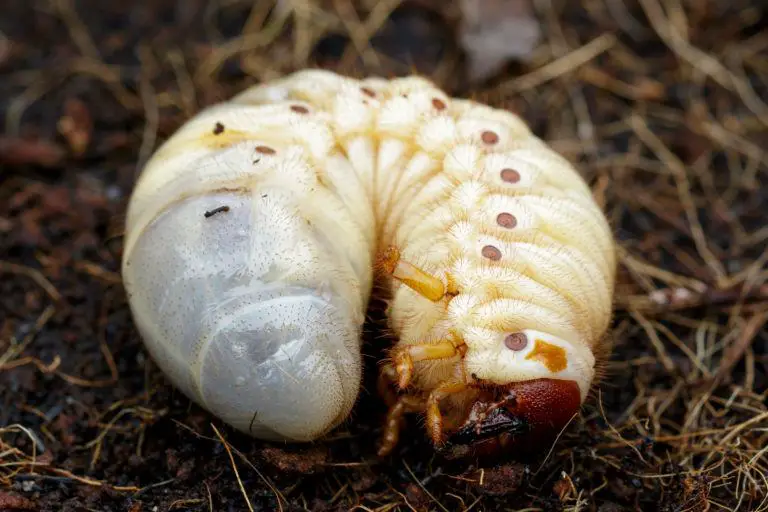
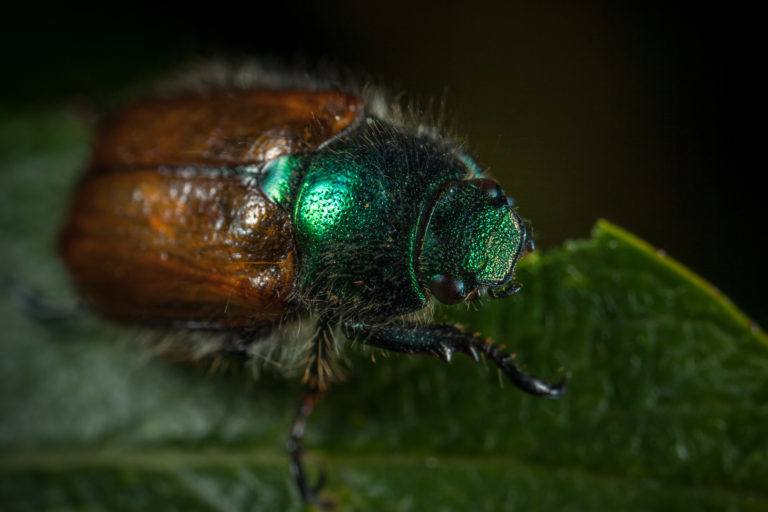
Japanese Beetles are called Japanese Beetles because they come from Japan. They were originally discovered in New Jersey and have since made their way across the United States as far as the Midwest. As adults they aren't particularly harmful. As grubs (commonly referred to as White Grubs) they are a really big pain in the ass. Dead or dying patches of lawn that are wilting for no good reason are often attributable to the presence of Japanese Beetle grubs. Japanese Beetle control is often accomplished with a multi-pronged attack using the Milky Spore bacterial lawn treatment, grub control sprays, and beneficial nematodes (very small worms) as your ammunition. If you'd like more information about Japanese Beetles, you should read this article: How to Get Rid of Japanese Beetles.

image 2

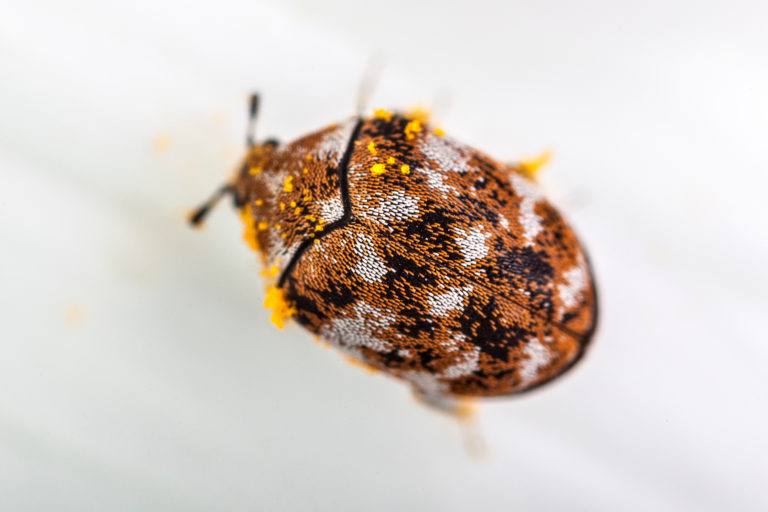
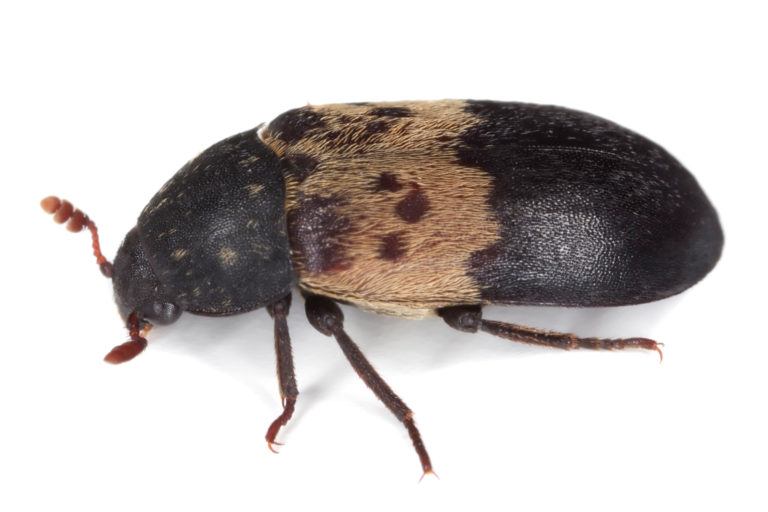
Carpet Beetles are a cadre of keratin feeding beetles known as dermestids. Often times, these beetles are used by museums and archaeologists to help clean up bones and artifacts. Otherwise, carpet beetles are a particularly dangerous pest with the potential to destroy clothes, furniture, and carpets. The difference here between the damage done to fabrics by carpet beetles and the damage done by other pantry pests (like moths) is that rather than chewing fabrics in random places, carpet beetles tend to create one large hole—eating their way outward, rather than moving from one spot to the next. Carpet beetles are controlled by practicing good cleaning habits: washing organic fabrics with warm water and soap on a regular basis, as well as replacing organic fabrics with synthetics. Serious infestations are dealt with by dusting carpets and furniture with boric acid or permethrin. If you need more information about controlling carpet beetles, you should read this article: How to Get Rid of Carpet Beetles.

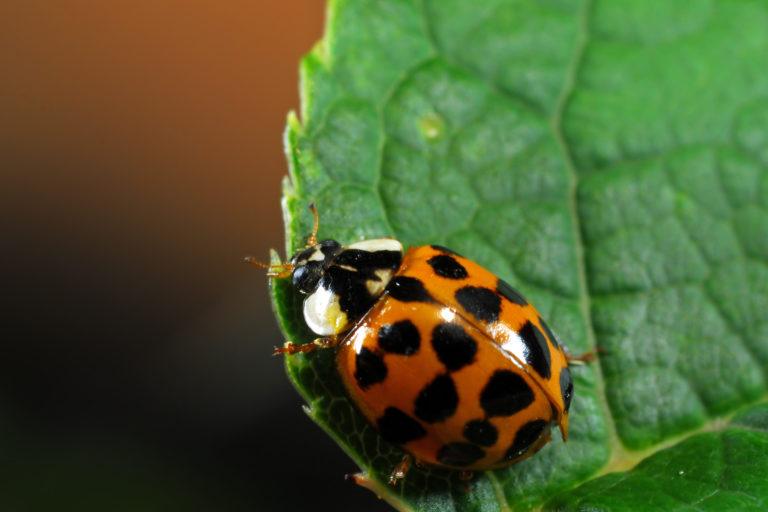
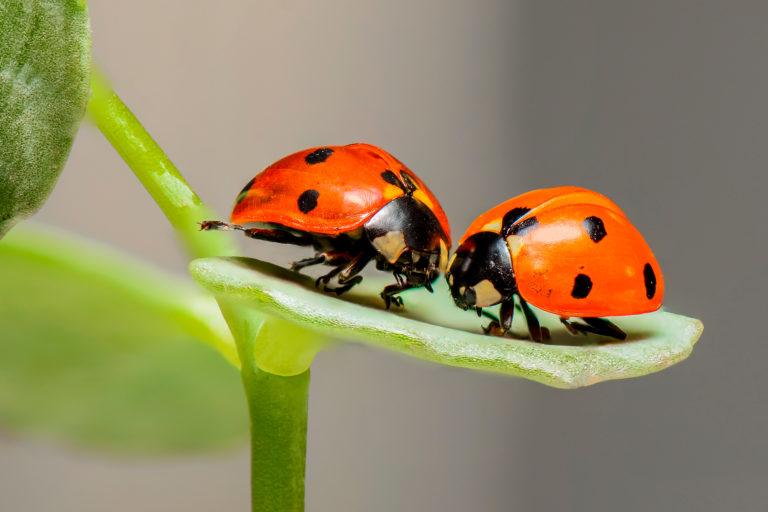
image 3Asian Beetles, also known as Multi-colored Asian Lady Beetles, aren't the most destructive pest out there, but they are certainly one of the most annoying. They are often mistaken for Lady Bugs that are native to North America, and unless you're a biology professor who studies beetles for a living, it's almost impossible to distinguish between the two. The only noticeable difference is in the multi-colored asian lady beetle's behavior. You see, Asian Beetles are the beetles that infest people's homes during the Fall and Winter months. Native lady beetles tend to overwinter outdoors. Controlling asian beetles is best accomplished with a little patience and a vacuum cleaner with a long enough attachment to reach the ceilings in your home. For more information about controlling asian beetles, visit our page entitled: How to Get Rid of Asian Beetles.
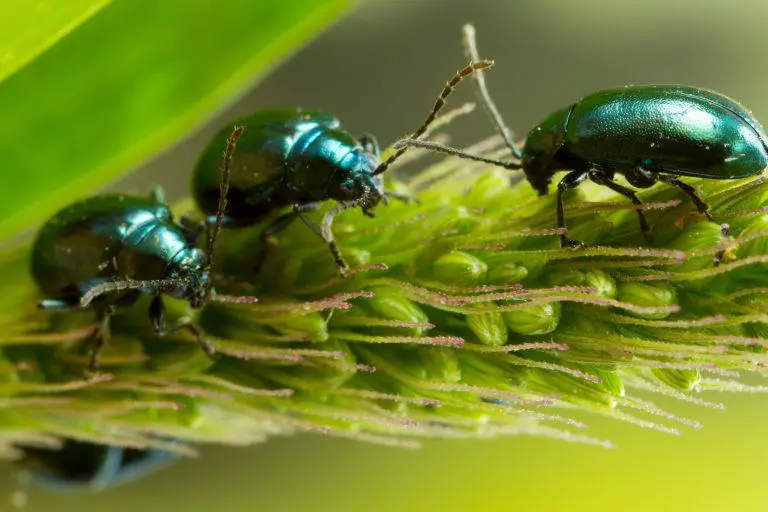
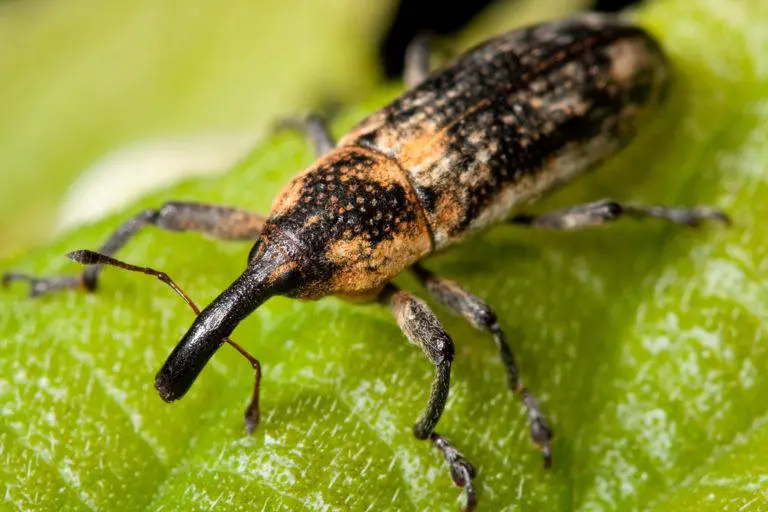
image 4Flea Beetles are a very common pestiferous beetle found in people's gardens. Their calling card is usually a plant riddled with very small holes, or a plant infected by one of the many plant viruses carried by flea beetles. Flea beetles are particularly dangerous in gardens during the spring, when seedlings are most susceptible to damage. A large enough population of flea beetles can decimate a new garden if precautions like interplanting and soil cultivation are not taken seriously. Like many other garden pests, flea beetles can be controlled with an insecticidal spray (diluted natural soap water), but gardeners who prefer not to use chemicals suggest planting barriers of Mint, Catnip, and Artemisia to keep flea beetles out of your garden. More information about controlling flea beetles is available here: How to Get Rid of Flea Beetles.
image 5Bark Beetles are ruining our native Minnesota elm trees faster than you can say “Dutch Elm Disease.” They are one of the major vectors for the fungi that causes Dutch Elm Disease, and controlling bark beetles is a pretty hot topic these days. I'm in the process of consulting an academic contact I have who is specializing in the biology and control of bark beetles. When I have more information available, I will post a link to the article here.

Notes On Controlling Beetles

Beetle control is difficult due to the nature of, well, nature. As humans make travel more efficient, and globalization continues, the chances of introducing invasive and predatory species of insects (and beetles) will increase. Thanks to technology and the research being done by entomology departments in almost every major university, great progress has been made in the effort to control pestiferous beetle populations. You will find some of these solutions in the sidebar to your right, while many of the newest techniques (including the introduction of species who feed on pestiferous beetles) are still being tested at the local level, before being applied as part of any federal program. Perhaps the single most effective thing you can do to help control beetles on your property and in your community is to contact the extension office of your local college or university when you gave discovered an infestation of any kind. The infestation of an invasive or damaging pest is usually not unique to just a single piece of land, and they may have information tailored to your local environment which may help you deal with your beetle problem more efficiently.