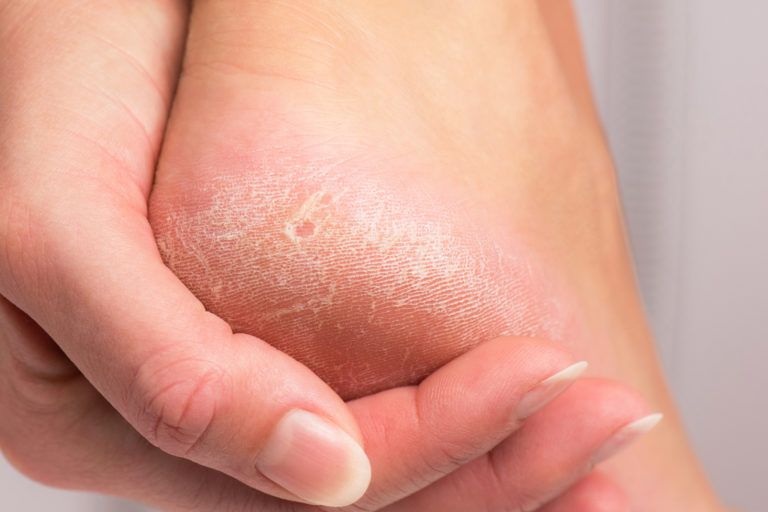
Getting rid of calluses, interestingly enough, can actually worsen your health overall. Why? It’s because calluses are your body’s natural defense against friction and pressure that is being constantly applied to a specific area of your skin. This usually occurs on your feet, and when people notice this unsightly buildup of dead skin on their toes they call them corns. But here’s the funny thing: sometimes removal of corns and calluses can cause infection by removing the skin’s defenses. Prevention really is your best defense against corns and calluses, and help decrease the need to get rid of calluses in the future.
In reality, there is no reason to remove calluses or corns unless they are painful. If you are feeling pain from calluses, you will want to continue reading this article to see how you can prevent, treat, and remove calluses. If you’re diabetic or suffer from a circulatory disease which may reduce blood flow to your feet, you may consult the information below, but you should also see medical attention–and we’ll talk about that further on.
Callus Formation
Pressure applied to skin over time will form calluses. It’s simply a natural defense your body builds to prevent lacerations around areas of the body that tend to experience more wear and tear. Without calluses on your feet, you would get one infection after another from the dirt being packed into your swollen, bleeding tissue.Callus formation is also unnatural in certain situations. Poor posture, heredity, bone structure, and a bad pair of shoes (especially shoes that start falling apart) can cause calluses to form that might be more extreme than they would be if you took better care of yourself. That’s why we’ll be talking about prevention as well as treatment and removal of calluses.
Best treatment and prevention for Calluses
Wear shoes that fit if you want to prevent calluses from forming.
Wearing comfortable, well-adjusted footwear is far and away the best way to get rid of calluses, specifically corns. People who wear shoes and boots that are not comfortable or put too much pressure on the foot are more likely to develop structural problems like bunions and hammertoe. This piece of advice is usually directed toward women who wear tight-fitting, high-heeled shoes and boots on a regular basis, but men who wear work boots that are no longer comfortable are just as much at risk of developing a structural abnormality in the foot caused by undue pressure put there.
Wear gloves and protective padding to prevent calluses if you’re doing work with your hands and/or knees.
Because of her problems with bunions and calluses, a family member of mine learned early on that proper padding and protection will help reduce your chances of developing unsightly calluses. Now she uses knee pads when she’s painting on the floor, and she wears work gloves when she does outdoor chores. For men, the stigmas surrounding soft, smooth hands are only funny up until the point when bleeding and subsequent infections inside the calluses on their hands leads to serious medical complications.
Using a moisturizer on a regular basis will both prevent and get rid of calluses.
For women, the use of moisturizer is fairly common. For men, the use of moisturizer is surrounded by the stigma of being “less of a man.” Thankfully, this stigma has been overcome by clever marketing teams who design and brand skin products for “real men.” Suddenly, being rugged and covered with calluses isn’t as desirable when bottles of moisturizer are covered with black, silver, red, and blue designs accompanied by words like “hydro,” “power,” and “for men.” Use that moisturizer on a regular basis, and you should see a slow recession in the calluses you have and a lack of development of new calluses.
A weekly soak and scrub will help to treat and get rid of calluses that have already developed.
For those calluses that are already present, the most common and medically sound treatment is a weekly soak and scrub. This usually involves soaking your feet or hands in a warm vinegar (try 1 cup of apple cider vinegar) and water solution for 10 minutes and then using a pumice stone to scrape away dead skin. If you have particularly sensitive skin or you’re diabetic, or you suffer from a circulation problem in your extremities, you should avoid using vinegar and use plain, lukewarm tap water instead. Be patient and don’t remove too much calluses at one time.
If your calluses are caused by bone spurs or another skin problem like plantar keratosis, you should see a physician.
You can’t fight something like a bone spur or plantar keratosis by yourself. The chances of possible infection from your calluses cracking and bleeding are too high. You need to seek medical attention to take care of that problem before you’ll be able to get rid of the calluses, corns, and bunions that keep popping up in the same spot.
The Podiatrist’s Nemesis: Callus Removers
You’re going to want to be careful of commercial or gimmicky callus removers because many of them contain acids that may cause more problems if they don’t work or aren’t used properly. Most podiatrists will recommend that you do using padding if you’re susceptible to corns, calluses, and hammertoe, but they don’t usually recommend the medicated pads.
Here’s the catch: the pads with “medication”, ie. acids, work more quickly and more effectively in general than those that do not. However, they will exacerbate dry skin issues.
Diabetes and Callus Removal
People with diabetes and other circulatory problems really should not be using medicated pads or liquid corn removers because the acids can cause your corns/calluses to crack. Cracked calluses can become infected, causing more complications than the removal of calluses is worth. Seek professional advice if you simply can’t stand the sight of calluses and you have a chronic hematological (blood) disease.
Natural Callus Remedies
Be Natural Callus Eliminator is a remarkably popular product.
Almost every review I read about this product is a rave review. It’s almost too good to be true, and marketing ploys like fake forum posts and online reviews aren’t uncommon. I would approach this Be Natural Callus Eliminator with caution. The ingedients are as follows: Purified water, Dihydroxy Propylene, Surfactant, Glycerol, pH Adjuster, and Polymer Solids. You can find presoaked Callus Eliminator pads at Amazon.
Lukewarm water and a pumice stone is perhaps the most natural form of callus removal and is considered the first and foremost technique for removing calluses.
So, fill a bucket or special foot soaking container with warm tap water. Then, let your feet soak for about 10 minutes; this should give the calluses time to absorb water and soften. Once the ten minutes is up, rub the pumice stone against your calluses gently until you see a sufficient amount of the callus has been removed. You can get a 4-pack of Mr. Pumice stones from Amazon.
Castile soap and warm water is yet another recipe for foot soaking if you wish to remove your calluses with moisture.
Castile soap is soap made from vegetables, so it’s milder on your skin and less prone to leaving behind residues that might build up on your skin. Soak your feet in 2 teaspoons of castile soap and bucket of warm water for 20-25 minutes. You can use a pumice stone or a wash cloth to help wipe away the calluses.