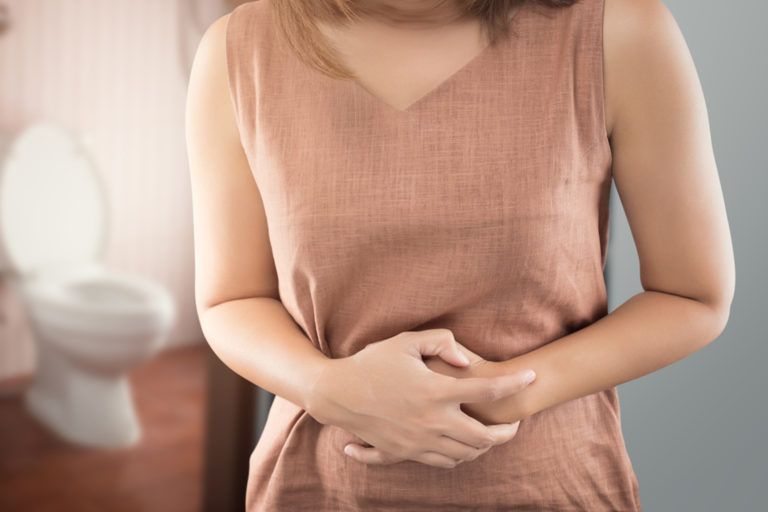
Y’know, sometimes sitting on the toilet is a good time to get some reading done. However, if you’ve gotten through War and Peace and still haven’t gone, that’s a significant problem. Constipation is a very common reason for seeking medical advice. It affects 10 – 15% of adults, but is most common among women and the elderly. The elderly are afflicted more because they are exposed more frequently to many causes of constipation, such as medical conditions, medication, poor diet, low mobility, or immobility. Constipation doesn’t necessarily mean you never make a bowel movement; it could also mean that you have infrequent stools, hard stools, excessive straining, or a sense of incomplete evacuation. Everyone’s bowel movements are different. If your bowel movements suddenly decrease, you should try to decide what is the underlying cause. Remember, everybody poops…and the advice here is to help you get back pooping like 85-90% of everyone else.
For most people, having constipation is harmless. A change in diet, fluid intake, or increase in exercise is all that’s required. But for others it can be a sign that something else is wrong with the body. In these cases, the constipation may not go away when treated properly. At this point you should see a doctor. You should also seek medical attention if the constipation is accompanied by fever, abdominal pain, or blood in your stool. The advice below is meant to give you an idea of the various courses of treatment. It is not meant to diagnose you. The first course of treatment is the least severe and the last the most. I try to include as many warnings about each product as I can, but it is by no means an exhaustive list. Most importantly, if you are unable to get rid of constipation after a few days, you should see a doctor.
Best ways to Get Rid of Constipation
Dietary fiber can help get rid of constipation.
Taken on a daily basis, these fiber supplements will make it easier to pass stool. There are five types of dietary fiber laxatives: bran powder, which is cheap but may cause gas; psyllium husk under the brand names Metamucil (which you can find at Amazon) and Perdiem; methylcellulose sold under the brand name Citrucel; calcium polycarbophil, which doesn’t cause gas, under the brand name Fibercon; and guargum under the brand name Benefiber. Dietary fiber can be taken mixed in water or in the form of pills. Or heck, a bunch of prunes can help too.
Stool softeners are used to get rid of constipation by making it easier to pass fecal matter.
The most common stool softener is the docusate, of which there are three: docusate calcium, docusate potassium, and docusate sodium. It works by incorporating more liquid into the stool, making it softer and thereby easier to pass. Stool softeners are frequently taken by people who have a difficult time passing hard stool. Common brand names for docusate stool softeners are Colace, Diocto, Surfak, and Dialose. Taken orally, the stool softener should take effect in 1‒3 days. Taken rectally, a bowel movement should occur in 5‒20 minutes. Stool softeners are an immediate cure for constipation but should not be relied upon in the long term. Steps should be taken to change your lifestyle and habits.
Osmotic laxatives increase the amount of water in the intestines.
This increased water inside the intestinal lumen softens the stool and encourages defecation. The two most common osmotic laxatives are Milk of Magnesia and Epsom salt. The active ingredient in both is magnesium hydroxide, and 5‒30 mL taken orally once or twice a day should produce a movement in 5‒24 hours. Another osmotic laxative Lactulose works too, but it causes cramps, bloating and gas. So I say pass on it. No pun intended. The last and most extreme of the osmotic laxatives is polyethylene glycol, brand name Miralax. Osmotic laxatives should not be used on an everyday basis because of the side effects.
Stimulant laxatives work quickly to get rid of constipation.
These laxatives stimulate fluid secretion as well as the contraction of your colon. If ingested orally, they will produce a bowel movement in 6‒12 hours. If administered rectally, the bowel movement will begin in 15 minutes to an hour. Common brands of stimulant laxatives are Nature’s Remedy, ExLax, and Senekot. All of them may cause cramps, and daily use is not recommended. One other stimulant laxative with the unfortunate name of Lubiprostone should not be taken when pregnant. Stimulant laxatives should also not be taken on an everyday basis. Your body will become dependent on them, and you won’t be able to poop without them. If you must chance them, you can find Ex-Lax at Amazon. Then you’ll find really understand the meaning behind the phrase “smooth move, ex-lax.”
Enemas of all sorts will help to get rid of severe constipation.
In general, severe constipation is partial or complete large bowel obstruction. This is also known as fecal impaction. Enemas made of water, sodium phosphates, soapsuds, or mineral oil are used to dislodge and lubricate the impacted fecal matter. If that doesn’t work, a doctor can remove it manually. Enemas should not be used on a frequent basis. They flush your system of important minerals and can disrupt your body’s natural balance of minerals.
Get Rid of Constipation with Natural Cures
Flaxseed or linseed, as it is also known, is a good source of dietary fiber. To promote bowel regularity, take 1 tablespoon of whole or ground flaxseeds once or twice a day with an entire glass of water. As a side note, flaxseed is also a good source of omega-3 fatty acids.
Fenugreek, originally from southeastern Europe and western Asia, now grows all over the world. It is used in several cultures both culinarily and medicinally. It is a good source of fiber, so it is used to promote bowel regularity. It is somewhat bitter tasting, so gel capsules are the preferred way of taking it.
Biofeedback, which is the process of becoming aware of the physiological goings-on in one’s body by using various instruments that give information on those body systems with the goal of eventually controlling the symptoms with will alone, is used to relieve many cases of constipation. Most notably the cases of pelvic floor dyssynergia, which is the inability of the pelvic floor muscles to loosen up, allowing the passing of stool. Biofeedback is really neat. If you get a chance to take a class, I recommend it.
Constipation as a Symptom of a Larger Problem
Almost always there is a larger problem afoot when it comes to constipation. Constipation could be the result of any number of diseases and medical conditions, as well as poor diet, immobility, not enough exercise, dehydration, medication, stress, depression, anxiety, travel, rectal problems, drug addiction, or even laxative abuse. The most common cause is low fiber intake and dehydration. The second most common cause is something called pelvic floor dyssynergia. Basically it’s when your pelvic floor muscles fail to relax when you’re trying to poop. It happens to women more often than men. Doctors have had much success treating pelvic floor dyssynergia with biofeedback. Constipation is a common symptom of irritable bowel syndrome (IBS). Or, if you want to learn how to thoroughly cleanse your colon, read my friend Eric’s article How to Clean Your Colon.
Lifestyle Changes Will Prevent Future Constipation
- Getting an appropriate amount of exercise each day is recommended to encourage bowel movements.
- Drinking at least 8 cups of water each day will help to prevent constipation by keeping your bowels hydrated.
- Drinking hot water, coffee, or tea can cause you to feel like making a bowel movement.
- Include fiber-rich food in your diet. This includes bran, fruits, and vegetables. Refer to the FDA website for advice about nutrition and a balanced diet.
- Set aside a regular time each day, an hour or so, for evacuation of bowels. About an hour after waking up is good. Sit down for 10 minutes, even if you don’t feel a movement. Try to relax and release the muscles in your abdomen. Don’t strain.
- If the changes in your diet and lifestyle are not helping, use mild stool softeners occasionally. Refrain from using laxatives until they are absolutely necessary. It is possible to become dependent upon them, as they actually begin to cause constipation with extended use.
Schedule an Exam
Call the doctor’s office and schedule an appointment if the constipation persists despite your attempts at self care, especially if the constipation is a change in your normal bowel patterns. Changes of that nature could be caused by cancer. Also, call the doctor if along with the constipation you are experiencing fever or stomach pain.