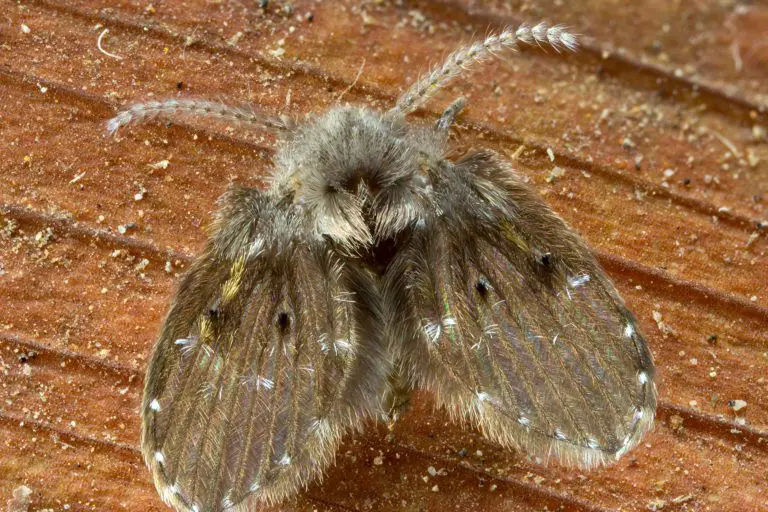
Drain flies (family Psychodidae) are very commonly mistaken for fruit flies. Both are small, hang out in groups, and, in general, anger people and irritate pets. Drain flies, when they are in the house, most commonly lay their eggs (10–200 of them) in the organic matter (e.g., hair, grease, food, sludge, etc.) that builds up in your drain pipes. When the eggs hatch (after two days or less), the drain fly larvae live in and eat that organic matter for somewhere between 9 and 15 days before emerging as adults. The adults usually live for around two weeks, but squishing them isn’t a guarantee of success. If measures aren’t taken to get rid of drain fly larvae and drain fly breeding grounds, you will never be rid of them. So let’s get to it!
First, figure out where drain flies are coming from.
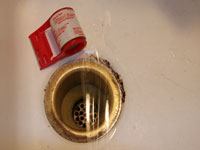
This is usually pretty easy. If you see one, there’s a good chance that they’re coming from the nearest drain. To find out for sure, grab a piece of tape, lay it sticky side down covering about ¾ of the drain in question, and continue checking it for the next few days. If they are coming from that drain, there should be flies stuck to the tape.
Note that drain flies are especially attracted to any drains that have residual moisture in them. A partially-clogged drain or pipe is a favorite, as is a drain or pipe that always seems to have a slimy coating. The flies need that moisture and mineral concentration to live and breed. If you suspect a pipe or drain is always a little wet, start there.
Remove drain fly breeding grounds
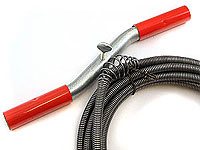
First, if you use one, remove and clean the hair catcher. Then grab a pipe brush and a plumbing snake (if you don’t have one, go to your hardware store). Your main goal is to get rid of all the gunk that the drain flies might lay eggs in. Use the pipe brush to do what you can to clean the sides of the pipe off. Then use the snake to pull out any clumps of hair or other nastiness. Take your time and do a good job. Also, expect to get dirty as it’s a gross job.
A good pipe brush will be both strong and stiff but not so sharp to cause damage to a pipe. Be sure you find one that is long enough and has the right diameter for your drain. For most home drains, a 1 1/2 inch brush is just fine.
Pour some Drain Cleaner down the Drain
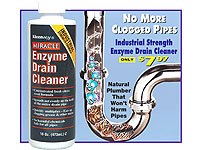
Even with the snake it will be tough to get all of the organic matter out of your pipes. So get a jug or two of your favorite drain cleaner. This should get most of the rest of the gunk out. Follow the instructions on the packaging carefully and allow the stuff to work for the maximum amount of time. Don’t be afraid to repeat the process a couple of times.
You can choose between synthetic drain cleaner which is made of…… well, who really knows what chemicals they put in there. Or you can get something a little more green, which we are always fans of. We’d recommend Earth Friendly Earth Enzymes sold at Amazon.
Plunge the Drain
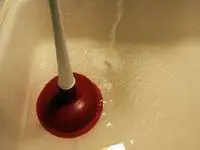
You need to do everything you can to get every last bit of organic matter out of the drain. Before doing this, though, run lots and lots of water down the drain to flush all of the drain cleaner. That way no caustic chemicals spatter. Plunge the drain for several minutes. When you’re done plunging, fill the largest pot you have with water, boil it, and dump it down the drain.
Make sure you have excellent suction power coming from the plunger. Just a slight variance in the plunger shape can make a big difference. Obviously, clean the sink and drain well after plunging. You never know what was on the plunger, and you will likely stir some nasty stuff up from the drain and pipe.
Basic Maintenance will keep Drain Flies out.
- The most important thing you can do is to clean your drains at least once a month.
- If you have a garbage disposal, run it briefly every day. Take your garbage out on a regular basis and keep the can clean.
- Clean your dishes often.
- Check the water trays under house plants and drain them after watering plants.
- Patch holes in window screens, and don’t leave the doors open.
- Re-grout tiles in the shower and on the floor.
- Keep the caulking around the drain clean, as they like to lay eggs there, too.
- Make sure there isn’t any wet lint under the washer.
A common time to get drain flies is after a vacation, when your pipes have not been used for a while. Any water sitting for two weeks or longer is especially inviting to the flies. If this applies to you, make a point to run all of your faucets for a minute or so upon returning home. This will flush the stagnant water out with fresh, running water.
Drain Fly (Moth Fly) Identification
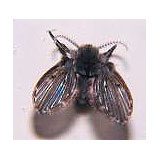
- 1/16 to 1/4 of an inch long
- Dark gray or dark brown
- Fuzzy
- Wings overly large in relation to body Segmented antennae
- Irregular, jerky flight
- Scaly wings (if you have great eyes or put it under a microscope)
Further Drain Fly Control
Luckily, drain flies don’t bite. They actually pose very little threat at all. There’s much speculation that because of where drain flies hang out, they
carry all sorts of bacteria and harbor disease. However, there’s very little evidence to back this up (I know, seems improbable). What there is evidence for is that if you have a large drain fly infestation, you are at risk of developing bronchial asthma from breathing in dust and body parts from dead drain flies. It’s pretty unlikely but possible. Mostly, they’re just annoying little pains the ass. Not just inside the house, either. You will probably want to be getting rid of drain flies in the outdoors too. Look around for any decaying matter or standing water. Start with the gutters; drain flies love clogged gutters. They’re also pretty big fans of bird baths, outdoor ponds, old tires filled with water, and compost piles. Also, make sure your air conditioner is draining properly.
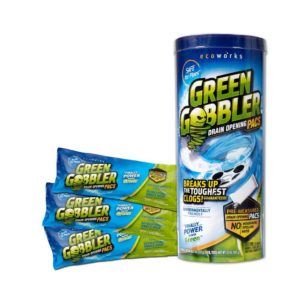
If you simply want to get rid of them with pesticides, well, too bad. However, there are a number of products made specifically for controlling drain flies by destroying their breeding grounds. Green Gobbler Drain Gel (here on Amazon) is a super thick gel that’s designed to be poured down drains. It uses bacteria cultures and enzymes to break down that lovely organic stuff that drain flies like so much. Drain Gel uses bacillus spores and works the same way. Similarly, Invade Bio Drain Gel uses microbes and citrus oil. Invade Hot Spot is a spray foam that also uses microbes and citrus oil and is good for floor drains and around drain pipes. If you’re looking for something to kill the adult drain flies before you start working, Invader HPX (active ingredient propoxur) is worth looking into.
Best Natural Drain Fly Control Methods
Salt, baking soda, and vinegar.
To prevent future drain fly infestations, clean your drains once a week. Start by dumping 1/2 cup salt down the drain. Then dump 1/2 cup baking soda down on top of it. Follow that with 1 cup of plain white vinegar, and let the fun begin. Allow all of this to sit overnight, and flush it all down with boiling water in the morning.
Bio-Clean.
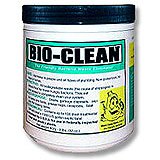
This nontoxic, completely environmentally safe and natural drain cleaner has been around for years. Bio-Clean is a biological product that uses bacteria to clear drains. The bacteria eats away at organic matter blocking your drains.
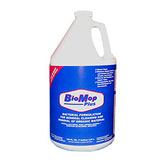
Bio Mop is a very effective natural cleaner.
Not only can it be used in the mop water for cleaning built-up grease and organics as the name suggests, but you can also use it as a drain cleaner as well. Bio Mop uses a concentrated blend of bio-enzymes for breaking down grease and clogs. It’s not cheap, but Amazon sells Bio0Mop Plus if you wanted to try it.