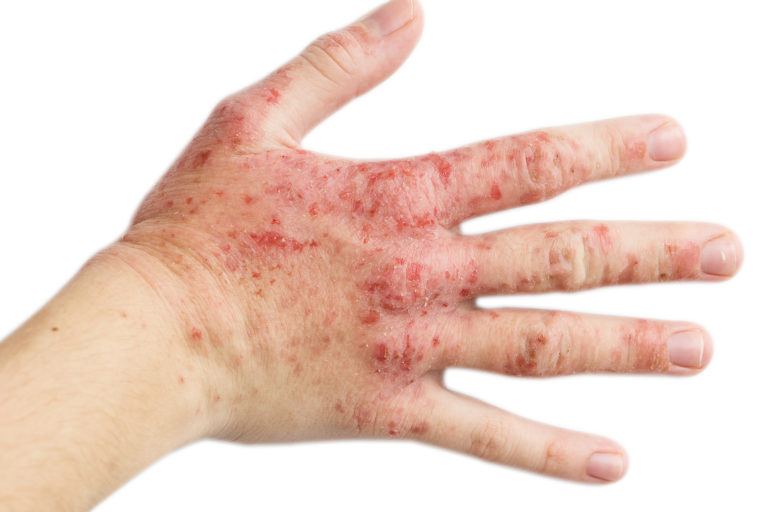
Eczema is a cruel disease. First of all, what causes the disease is unknown. There are many hypotheses, but nothing is certain. Medical institutions and publications even have trouble categorizing eczema. Some use “eczema” to refer to atopic dermatitis, while others use the term as an umbrella for all kinds of dermatitis and skin disorders. However you categorize this disease, it is a miserable burden to bear. Eczema sufferers endure burning, cracked, and/or thickened skin, red or brown patches, scales, flaking, and more – all of which is physically and emotionally painful. More than just a blemish, exczema is something medical going on within your skin. Most cruel of all is the itching. The itch that comes with eczema is nearly supernatural. When the itch-scratch- itch cycle begins, the disease can get truly ugly.
I am not a doctor, and if your eczema is making life miserable, I think you should see one – preferably a dermatologist. However, I have done my homework. I know that you can’t truly get rid of eczema, but you can keep the symptoms in remission. Eczema treatment isn’t simple. First, you need to identify and avoid the triggers that cause flare-ups. Some triggers cause problems immediately, but other things may become a trigger over a long period of exposure. Next, you need to take care of your skin. Lastly, when flare-ups occur, you need to suppress (and resist) itching and reduce symptoms with research-based treatments.
Avoid Eczema Triggers
- Stress (yoga, alone time, hobbies, therapy)
- Dry skin
- Extreme temperatures and temperature changes
- Weather (In rare cases, people have moved to a new climate to deal with eczema)
- Hot dry air emitted by heating systems (use a humidifier)
- Cosmetics and personal care products
- Household chemicals, such as soaps, detergents, solvents (put clothing through the rinse cycle twice and search for gentler household products)
- Jewelry
- Handling or eating certain foods
- Long, hot baths or showers
- Allergies: pollen, mold, pets or other animals
- Sweating (avoid strenuous exercise during an eczema breakout)
- Tight or scratchy clothing (smooth textured cotton is best for eczema)
Best Ways to Treat Eczema
Practice proper bathing techniques
Bathe for no longer than 15 minutes in lukewarm water. Excessive bathing – or bathing in hot water – can leave skin dry and prone to flare-ups. Avoid loofahs, shower puffs, and anything abrasive unless told otherwise by your doctor. Apply a gentle, hypoallergenic, perfume and dye-free cleanser using only your fingertips. During eczema flare-ups, adding oatmeal (or things like Dr. Teal’s Soaking Solution with Oatmeal, at Amazon), bath oils, or coal tar products to your bath can help get rid of eczema pain and irritation. When you’re finished, pat dry with a towel rather than rub or scrape.
Moisturize regularly and always after bathing
Keeping your skin well-hydrated is a great way to prevent flare-ups and the dreaded itch. The best time to moisturize is right after bathing. After patting dry, the skin should be moist and hydrated. Apply any eczema medication or topical treatment first, and then lock in that moisture with a heavy ointment – a product of 80% oil and 20% water. Slather it on thick like the frosting on a disgusting department store birthday cake. If the humidity is high where you live, you may use something lighter. Avoid products with perfumes, dyes, and other agitating chemicals.
Apply wet wraps
For many, wet wraps are the most effective way to get rid of eczema symptoms. Before applying the wrap, you’ll first need to soak in the tub in lukewarm water for 10 to 20 minutes (bath oils optional). Pat dry, apply any topical medication, and moisturize. Finally, soak bandages in the bath water and wrap them around the affected areas. Wrap dry bandages (or clothing, gloves, socks, pajamas) over the wet ones to trap the moisture. Wet wraps are often used at night, but care should be taken to keep children from getting too cold and so monitoring the wraps should be done.
Use an antihistamine and anti-itch creams
The itching leads to scratching, which leads to worse itching, which leads to blood and puss and sometimes severely damaged, leathery-looking skin. Anti-itch creams like hydrocortisone – a topical steroid – reduce itching, swelling, and irritation. Be sure to read any direction carefully; even mild steroids should be taken seriously. You can order Hydrocortisone cream from Amazon. Antihistamines like Benadryl are said to get rid of eczema symptoms, but they can also help eczema sufferers fall asleep during flare-ups. Loss of sleep is one of the most common results of an eczema flare-up.
Take short dilute bleach baths
Simply add a ½ cup of bleach to a full tub of water (if your tub holds the average 40 gallons) and soak your eczema outbreaks for 10 minutes twice a week. It seems like a strange solution, but recent studies – which produced amazing results – have given this folk remedy medical credibility. People with eczema generally have bacteria like staph (staphylococcus aureus) living on their skin. When the skin breaks, infections occur. Bleach kills bacteria, prevents infection, and generally gets rid of eczema symptoms and flare ups. Talk with your doctor before trying bleach baths.
Medical Treatment for Eczema
Seeing a dermatologist is very important, both for diagnosing and treating eczema. First of all, they can prescribe antibiotics, stronger topical and oral steroids, as well as the new barrier repair moisturizers. They will target your specific eczema type with a variety of treatments. For some, photo (light) therapy works best. Others are put on sequential treatment plans in which one treatment is used for a period, and then another and so on. Through their guidance and coaching, home treatments can be made more effective. Through research and experience, they will be most qualified for recommending OTC products. No Internet article can truly get rid of eczema symptoms and flare-ups like a partnership with a good dermatologist.
More Ways to Get Rid of Eczema Itching and Burning
Barrier repair moisturizers
These treatments are relatively new, but they have been effective in trials and may one day replace topical steroids as the most common eczema treatment. Unlike traditional moisturizers and lotions, which help the skin hold moisture, these products actually repair the skin. Look for products that contain lipids such as ceramide, cholesterol, and fatty acids. The downside is that they are still very expensive.
Coal Tar
This sounds disgusting, and it is. Coal tar is both messy and time consuming; however, it can also help get rid of eczema symptoms, such as itching, redness, and flaking. Coal tar products come in creams, ointments, and shampoos. There are also products you can add to your bath. You can get Cutar Coal Tar lotion at Amazon.
Fingernail clippers
It may sound silly, but well trimmed nails may be the difference between a mild flare-up and a gag-inducing horror show. Scratching the extreme itch produced by eczema is like entering Nirvana; it will be hard to resist. If you give in, remember that untrimmed nails do damage quickly. Trimming may not get rid of eczema, but it can keep the itch scratch cycle at bay.
Ice packs
Keep a few in the freezer for when the itch surfaces. Icing can reduce inflammation, but more importantly, it numbs the itch. No ice pack? Try soaking clean bandages or cloths in cold water and wrapping them around the affected areas. This will soothe itching and prevent scratching.