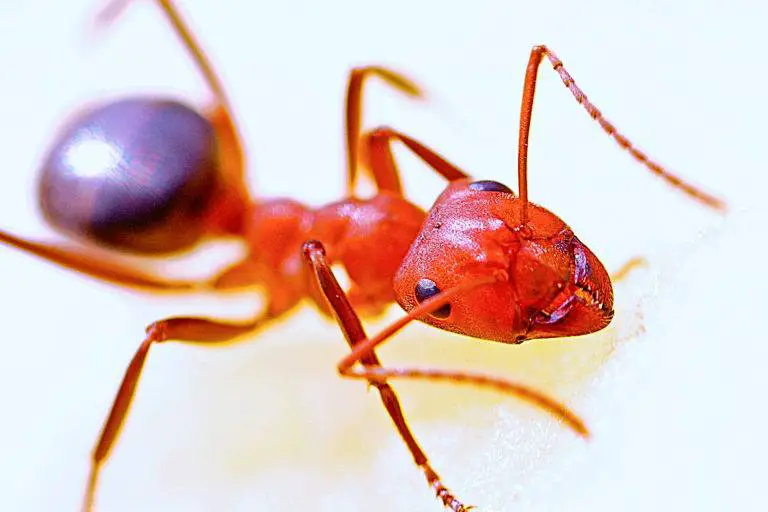
Fire ants, now found in almost every state in the South, were originally introduced to the U.S. in Alabama. Since their introduction they have steadily moved north, west, east, and south, into territory that was historically occupied by the common sugar ant or carpenter ant. Fire ants are so called because of the effects of the poison in their stinger, which is often described as an intense burn. Instead of biting and injecting or spraying acids, fire ants have a stinger on their abdomen. They bite with their jaws to get a grip and then plunge that stinger in for the kill. The poison released is called piperidine. The most common reaction to fire ant stings is intense burning pain and the formation of blisters (or pustules) where the venom has killed the cells surrounding the wound. Although it isn’t possible, or very likely, that a human can be overwhelmed and killed by a swarm of fire ants, it is indeed possible that the proteins found in the fire ant’s poison can cause death by severe allergic reaction. You may not be able to completely eradicate the Fire Ants, but you can control the population and stop a spread.
Controlling the Most Common Fire Ant Species
Boric Acid
Boric acid will get rid of European fire ants. These ants will usually hide in soft, moist soil under debris such as rock or wood. A lot of nests will commonly be in a small area, and they’ll defend their nest from anyone or anything. Boric acid works by damaging the intestines in the ant. Boric acid can be purchased at supermarkets or hardware stores, and it is often sold in a powder form. Amazon sells Boric Acid if you want to try this option.
Yard Treatment
An entire yard treatment twice a year will help get rid of red imported fire ants. Imported fire ants are mean, aggressive, and destructive. Usually found in warm, southern climes, they like the southern United states. They will swarm anything that attacks their nests. Treating the entire yard will have a short term success. There are a number of products that can be effective, but the best options contain both slow- and fast-acting ingredients (Extinguish Plus and Amdro Fire Strike are recommended products). If you have a large area to treat, consider using a hand-held push spreader. After you have treated the yard, look for new mounds that have sprung up in the baited areas and treat them individually.
Best Ways to Get Rid of Fire Ants
Bait
To get rid of fire ants indoors, a simple fire ant bait like MaxForce can be used. Most manufacturers make a fire ant bait specifically for indoor use, but some broadcast baits have instructions for indoor use, as well. Of course, keeping this away from children, pets, and food is always a challenge, so I would recommend something like MaxForce Ant Bait Gel. Whatever indoor bait you use, just make sure it’s guaranteed to work on fire ants by checking the label. You can order MaxForce at Amazon.
Home Maintenance
To prevent fire ants from coming indoors, a few things can be done to ensure a home free of fire ants. First, put all food items in their proper containers, especially sweets. Clean the house regularly using bleach to wipe up any residual foods left on the floor. Vacuuming on a regular basis is also recommended. Having your doors and windows checked and sealed properly, as well as your door and window screens, is always a good idea. Weatherstripping can be a quick fix, while caulking cracks and holes in your foundations or on the outside of your house can’t hurt, either.
Professionals
If you can’t get rid of fire ants yourself, you may want to try calling in a professional. I don’t live in the South, so I can’t recommend any good pest control services that could handle a fire ant infestation. You could contact members of the Texas Imported Fire Ant Research and Management Project (TIFARMP) at Texas A&M University, but unless you live in Texas, they may not be of very much help. Contacting your local government officials would be my second suggestion. They will probably know who to put you in touch with, or what pest control service is reputable or who specializes in fire ant management.
Fire Ant Stings/Bites
Fire ants don’t bite–they sting. Treat a fire ant sting the same was you would treat any other sting:
- Swipe the fire ants away from the skin, but do not crush them.
- Get away from the ants, or go indoors.
- Wash the bite or bites with warm water and soap, and then apply a cold compress.
- If you get dizzy, feel sick, start sweating a lot or have trouble breating, seek medical attention!!!! Swelling of the nose/throat usually indicate a severe reaction. Call the paramedics if you feel your mouth/throat swelling
