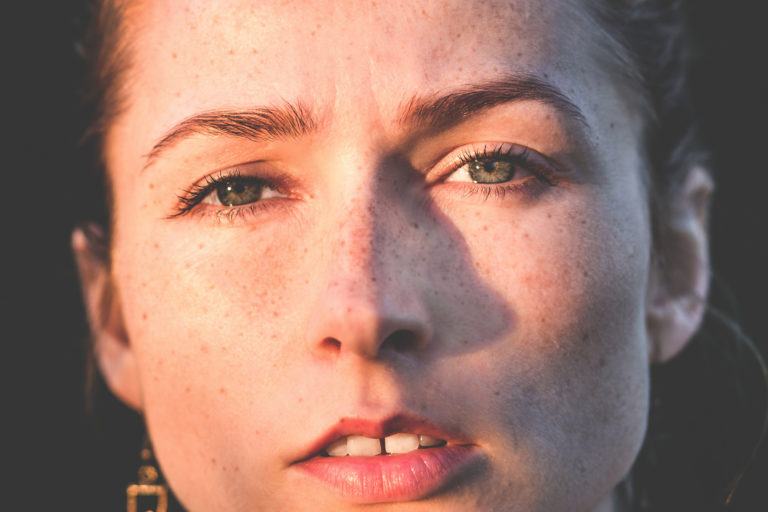
If you want to get rid of freckles, you need to understand what they are first: small, flat, tan, brown, or black spots on the skin caused by increased production and localized build-up of melanin in skin cells. Melanin is produced naturally as a skin pigment and protection against sunlight — that’s why prolonged sun exposure can produce or darken freckles, especially on fair skin. Predisposition to freckles can be genetic (like fair skin), and is even related to the presence of red hair (like Pippi Longstocking’s!). If you’re not a fan, the following practical advice should help you out.
Preventing Freckles
To keep your freckles from getting worse and to prevent new freckles from forming you should avoid prolonged sun exposure. So wear a hat, long sleeves, and long pants; stay in the shade; and always wear sunscreen with a minimum SPF of 15 that blocks both UVA and UVB rays. Sunscreen is especially important if you’re treating your skin for any dermatological condition—most skin treatments and even some dietary supplements (such as St. John’s Wort) contain chemicals or other ingredients that increase your skin’s sensitivity to light. Be wary of what you put into your body to best take care of the skin…it’s the largest organ, after all.
Best Freckle Treatments
Bleaching agents and creams are a common way to get rid of freckles.
Bleaching agents usually contain hydroquinone, a chemical that fades skin color, and are available over-the-counter or in stronger prescription form. A bleaching skin cream, applied directly to freckles, can get rid of freckles by slowing the production of melanin and fading their color to that of the rest of your skin. Be careful, though: over-application or misuse of bleaching agents can cause serious skin irritation and damage. If you do go this route you can find skin lightening/fading cream like this jar of Mediderm WhiteDerm at Amazon.
Laser resurfacing is an effective way to get rid of freckles.
Usually performed by a dermatologist, the doctor will numb the area around your freckles with a local anesthetic, then remove the top layer(s) of your skin with a laser. Your skin will usually take 1-2 weeks to heal after laser resurfacing, and long-lasting results will be varied.
Chemical peels can also get rid of freckles.
Usually available through a dermatologist, a chemical peel is an intense exfoliation of your face that uses harsh chemicals to peel away several layers of skin. A chemical peel will reduce the appearance and visibility of your freckles, and your skin should heal after a day two. sensitive skin can take longer to heal.
Liquid nitrogen treatment (cryotherapy) is often used to get rid of freckles.
Also known as “freezing” (because it’s so cold—duh), liquid nitrogen is also a common treatment for warts. When applied directly to a freckle, the liquid nitrogen forms a blister that effectively lifts the freckle out of the skin then causes it to fall off. Cryotherapy can be painful and should not be used on the same area skin more than once a week. Amazon sells Dr. Scholl’s Freeze Away for warts, but as stated it may help with freckles.
Treatments containing retinoids can get rid of your freckles.
Retinoids are a class of natural chemical compounds related to Vitamin A and used in the treatment of many dermatological conditions, including freckles. The brand-name Retin-A cream or gel contains the retinoid Tretinoin and is often used to treat acne, but can also help you get rid of your freckles. Side effects can include dry skin and increased risk of sunburn.
Best Natural Freckle Removal
Lemon juice is a long-running standard treatment for freckles that works by bleaching or lightening the freckles over time.
To treat your freckles with lemon juice, rub a piece of lemon over the freckles or dab your freckles with the juice. Then use the rest of the lemon to make some tea!
Create your own fruit and vegetable masks to get rid of, or at least lighten, your freckles.
Mash up and use together or on their own ingredients like cucumbers, apricots, and strawberries. Apply lemon juice before the mask if you have oily skin. A mixture of equal parts parsley juice, lemon juice, orange juice, and red currant juice applied underneath your regular face cream can also help.
Lactic acid can act as a natural and gentle exfoliant (working like a light chemical peel).
Masks made with sour cream or sour milk (gross, I know) can minimize your freckles by exfoliating skin with a high melanin content.
Treating Serious Skin Conditions
Sometimes freckles, or what look like freckles, can turn into something more serious. Larger flat brown spots can be the result of aging (often called age spots); rougher large brown marks can be sun damage (solar keratoses) or warts. If a freckle or mole grows quickly and becomes discolored you should see a doctor immediately to check for malignant melanoma, a common form of skin cancer. It’s better to have a medical professional check those than to rely on assumptions.