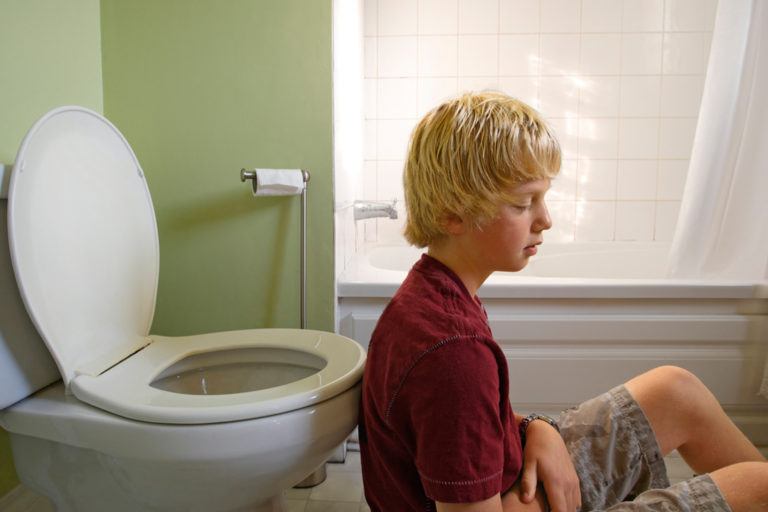
I came out of the ER a couple of days ago with a diagnosis of gastroenteritis. I hadn’t felt that bad since elementary school when the stomach flu was an almost annual tradition for each and every student. I don’t mean influenza. To call it the stomach flu is, technically, a mistake. The real flu is a respiratory illness caused by the influenza virus, while gastroenteritis is caused by a viral infection in the intestines. Both make your life miserable. What can be done? In the spirit of recovery from this flashback to my youth, I present to you some of my physician’s recommendations for getting rid of the stomach flu–ahem–I mean, gastroenteritis.
Stomach Flu Note
More than anything, what you need to pay attention to when you have the stomach flu is dehydration caused by diarrhea or vomiting. The symptoms associated with a stomach virus include dizziness, vomiting, cold sweats, fever, diarrhea, abdominal pain, and the irking suspicion that you may end up losing your innards to the porcelain gods since you emptied your stomach five heaves ago.
Removing the Problem
Seeing a physician should be your first step to cure stomach flu.
Seeing your doctor isn’t to get a prescription for medicine to help cure gastroenteritis but to get medicine to fight the symptoms: anti-spasmotics for cramps,antinauseants for vomiting, and some blood and stool tests to make sure it isn’t something worse—like worms. Gross.
It is a good idea to drink a lot of fluids.
Diarrhea, a very common stomach flu symptom, causes dehydration very quickly. Even after drinking almost 8-10 glasses of water every day, the doctor said I was still dehydrated and short of electrolytes. So, get some Gatorade in bulk. Don’t fight the poop soup, just let it go. Your body needs to get rid of that stuff.
Simplifying your diet will help you cure gastroenteritis.
Keep your diet down to clear liquids for the first 24 hours (broth, water, juices). If you feel better after 24 hours, then you can move on to foods like white rice, white bread, apple sauce, and bananas. Try to avoid citrus, greasy foods, dairy and tomato products, alcohol, coffee, and carbonated drinks. In other words, don’t go to McDonald’s.
If the stomach flu has you in a lot of pain, as acute gastroenteritis will, don’t be afraid to take pain killers.
Pain killers with acetaminophen, like Tylenol are good because they don’t upset your stomach as easily as medicines like ibuprofen, Aleve (which you can find on Amazon), and aspirin. If you’re having way too much stomach pain, ask your doctor for Oxycodone. That’ll knock the pain out, help you sleep, and make everything really funny before you pass out.
A sufferer of gastroenteritis shouldn’t need to be told this, but get some rest.
The reason doctors tell you to rest is because your nutritional intake is extremely low when you have a stomach flu, even if you’re slamming Campbell’s Soup like cans of Miller Lite at a baseball game. Your body is running on reserves and needs you to be lying down so you don’t waste protein and calories that could be used to fuel your immune system.
Best Natural & Organic Stomach Flu Remedies
Yogurt is a great way to regain your digestive abilities after a bout with gastroenteritis. Gastroenteritis, or an intestinal infection, can kill a lot of the good bacteria in your intestines, leaving you digestively incapacitated. Yogurt contains bacteria that are good for your intestines, and will help your body digest food more easily. Besides helping you recover from gastroenteritis, yogurt also helps people digest lactose better by supplying the bacteria most of us host naturally. So, eat a little yogurt after you’ve passed the clear liquid diet phase and help your guts feel better. If you don’t like yogurt, you can always try Probiotic Pearls that claim to do the same thing, sold at Amazon.
Cook your own food, because chances are good that you got this virus by ingesting something outside of your home. I’m pretty sure it was a Chipotle Pork Fajita Burrito that did me in. There are so many opportunities to get ill in restaurants (either from gastroenteritis or food poisoning) that it’s just better to stay home and cook for yourselves and/or guests. Besides, cooking is a good life-skill to learn and you’ll save a lot of money.
Best Medical Treatments of Gastroenteritis
By now you should realize that there isn’t much more you can do about gastroenteritis or the stomach flu than simply treat the symptoms and wait for death. Just kidding; you’re not going to die, but may have to wait a while before you can get rid of gastroenteritis. Antibiotics won’t do anything to treat a stomach flu. If anything, antibiotics will make it worse because antibiotics kill the good bacteria in your intestinal tract, making you more susceptible to severe abdominal cramps and gas. So, stock up on Gatorade, Tylenol, and a season or two of your favorite sitcom.
If your symptoms don’t go away within 48 hours, or if you’re having sharp, localized pains, or if you develop a high fever, or if you have blood in your vomit or in your stool, it is a good idea to call your doctor immediately.