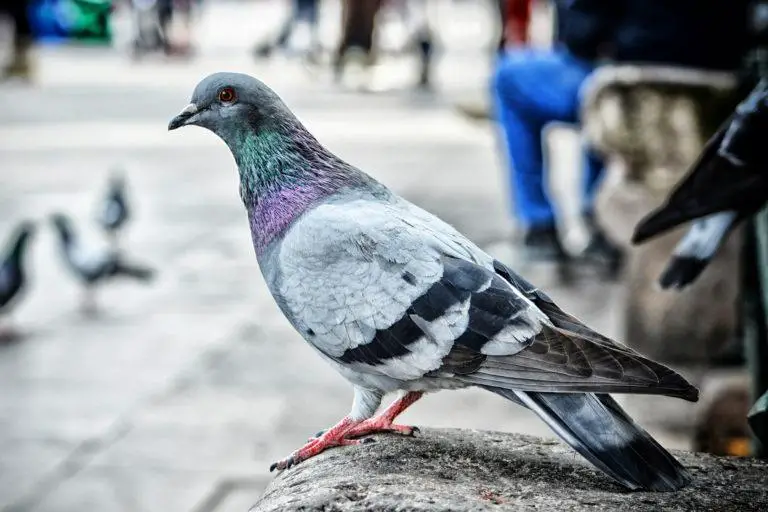
We all saw Home Alone 2, the classic holiday movie. The “Pigeon Lady” was a likable character, but in reality all of those pigeons were probably pretty bad for her health.
Like the rats they are often compared to, pigeons are perfectly adapted to human environments. Our buildings and structures provide excellent roosts, our waste and crops provide plenty to eat (they’ll eat anything easy to find), and our way of life has wiped out any would-be predators or competitors. This relationship is anything but amicable. Sure, pigeons soothe and entertain the elderly, but babysitting Grandma doesn’t make up for the highly corrosive feces they splatter in absurd quantities all over cars, nor does it erase the fact that these birds are a serious health concern. And perhaps you don’t even like your grandma.
The pigeon is a complicated bird. It doesn’t do the same damage, that, say, a woodpecker can do, but they can leave droppings that are anything but harmless.
Before you attempt to get rid of pigeons on your own, you should know that this isn’t your typical pest. Pigeon control requires both expertise and imagination. There is no magic bullet or simple spray-on remedy. What works in one situation may simple lighten your wallet in another. Most often, getting rid of pigeons requires and integrated approach – that is, the use of several strategies used in concert. Whether you’re a DIY champ or a simply looking to learn what your options are, you can learn how to get rid of pigeons below.
Pigeon Diseases
According to the New York City Department of Health, there are three types of diseases humans may contract. Each disease spread by pigeons seems to require a compromised immune system and an excessive exposure to pigeon droppings, but infections caused by pigeons in the City of New York may include:
- Histoplasmosis. A very rare fungal infection caused by inhaling pigeon dropping dust during routine cleanings.
- Cyptococcosis. Another fungal infection caused by contact with pigeon droppings. Again, it’s very rare to contract this from pigeons, but people who suffer from auto-immune diseases should be aware of the risk.
- Psittacosis. A bacterial infection that may be transferred from pigeons to parrots, and to humans, as well.
One problem with pigeons that might be worth paying attention to are the parasites (bird mites) that feed on pigeons and their young. When a nest is abandoned, these mites will scatter and infest the surrounding area. Occasionally, they will bite humans as they explore their surroundings, looking for another blood host. The solution to this problem is to remove the nests and clean the area thoroughly with anti-microbial cleaning solutions.
Best Pigeon Control Methods
Use live traps
Use live pigeon traps to get rid of pigeons. Live traps are a highly recommended control strategy. Bob traps are the trap of choice in most situations. Attracted by bait (wheat, cracked corn), the birds are lured through a one-way door. It’s important to leave a few pigeons inside as decoys. This will encourage these social birds to jump inside.
Just because you relocate a pigeon doesn’t mean it is gone forever. A pigeon has an amazing sense of direction, and pigeons are famous for being able to find their way back to a nest. It is best to relocate the whole flock, far far away, or you can take more drastic measures but we are careful to let you make that decision.
Pigeon proof your property
Exclude pigeons—build them out! Exclusion or “pigeon proofing” involves modifying your property to deny pigeons access. Many of the technique you will want to use are tactics that help get rid of birds in general.
Pigeon spikes (like these bird spikes at Amazon from Bird-X), bird netting, bird slopes, bird wires, electrified tracks, and wiring can be effective pigeon deterrents. Know that installation of any of these products will require some skill, and all are expensive. However, exclusion is one of the most effective strategies, and you’ll save money over time not having to clean up the corrosive feces or disinfect their loathsome, disease ridden roosts. Skip to the bottom of the page for more information about this strategy. No place to land = no pigeons.
Use Ovocontrol
For pigeon control in large areas, try Ovocontrol. If you’re a city or parks manager, large property owner, etc., then you should at least do some research on this product. Ovocontrol is a chemical-laced bait that renders pigeon eggs non-viable. You get the pigeons hooked on the free food (usually pretty easy), and they stop having babies. It’s pigeon birth control. It usually takes six to eight months before results are obvious, but it’s still going to be cheaper than setting up miles of spikes, netting, and other exclusionary devices.
Apply pigeon repellents to roosting areas
Use pigeon repellents in roosting areas. Pigeon repellents make roosting areas inhospitable without harming the birds (sigh). These products, which come in gel or liquid form, are either soft, sticky, or hot (capsaicin from hot peppers). The birds land, become annoyed, say something snarky under their breath, and leave. The upside? These products are cheap and can be quickly applied by a novice for immediate control. The downside? They are temporary and can be quite messy. Bird-X, 4 The Birds, and Bird Off are all popular brands.
Avoid gimmicks
Noisemakers, spooky owls, and lasers. You won’t find these products endorsed by reputable pest control experts or publications. The results will be temporary at best, and once the pigeons have adjusted, you’ll need to make a trip to the spooky owl recycling depot. Sure, if you own two warehouses and you place some scary owls and noise makers in one, they may fly to the other. If there are population pressures and real estate is particularly beneficial (food, water, roosting), they’ll probably just ignore your little tricks.
Shoot them
If you have to ask if you can shoot them, don’t. Yes, in rural areas where numbers are low and where firearms are safe and legal, you can shoot pigeons with pellet guns, a .22 loaded with bird shot, or even a shotgun. Pigeons are not protected birds. However, this strategy won’t work on its own if there is a larger bird population in the area. Your ability to kill pigeons won’t outpace their ability to make pigeons. You’ll need to pursue an integrated approach, like bullets combined with pigeon proofing.
If you do this, be sure you are following local rules, and understand firearm safety. We can’t stress this enough.
Call a professional
If you’re going to call a professional, do your homework. Pigeon control is a specialty within the field of pest control. It’s not a just-spray-this-once operation, but a highly complex, often prolonged task. You want someone experienced in dealing with pigeons that is up-to-date with the latest tools and regulations. A friend of mine—another pest control hobbyist—has put together a helpful guide for those seeking pest control services.
Best Natural Pigeon Control
Remove food sources
Cleaning up bird seed, grains, and other sources of food will make your property a less-convenient roost for pigeons. It’s important to secure garbage cans and other sources of waste. Gardens should be protected by netting or motion-sensing sprinklers. On farms, use drop feeders or other feeding systems that require the livestock to trigger the release of food.
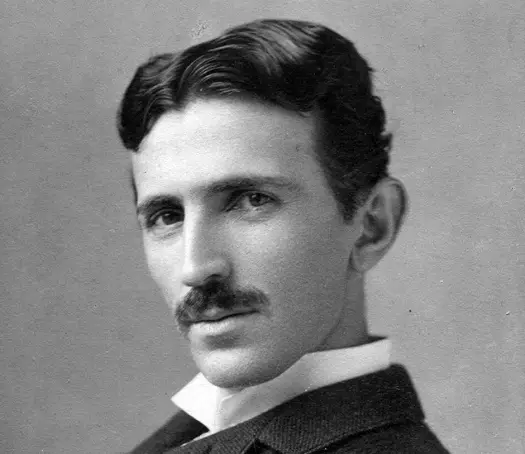
Some people like Nikola Tesla are famous for feeding pigeons and even inviting them into their homes. But if you start feeding pigeons, they are never going away. A better plan is to do the opposite — remove food sources altogether.
Remove water sources
Even a small amount of standing water can support an obnoxious population of birds. Pigeons can fly distances for food and water, but if either isn’t readily available, your property will be a less likely roosting site.
Destroy the nests, addle the eggs
It may seem inhumane, but this is one of the best ways to disrupt a flock of pigeons. This can be accomplished with a tree branch, tent pole, or roof rake—just get up there and scramble things around. Experts recommend doing this at two week intervals to prevent any eggs from hatching. Eventually, the pigeons will get the point and make for safer ground.
Be careful
Mind you, there is the possibility of inviting bird mites into your home if you don’t remove the nests and clean the area properly. Wear rubber gloves and DEET as a precaution.
Pigeon Proofing Options
Pigeon spikes
Pigeon spikes—attached with adhesives or clamps—are ideal for ledges, gutters, rafters, and beams. Done right, they will keep birds away. Done poorly, they will provide a protected nesting area for pigeons. They are long lasting, but require some maintenance as debris and twigs can provide birds with protection from the spikes. What larger property managers/owners need to think of is “If the birds leave this place, where will they end up?” Hopefully, not another area of your property.
Bird netting
Large, open spaces such as roofs, eaves, gardens, overhangs, lofts, trees, etc., can be blocked off with bird netting. You’ll find that any company dealing with bird pest control will carry a netting product. For pigeons, you want a UV-resistant, high-density, polyurethane net with ¾-inch squares. Easy Gardener BirdBlock sold at Amazon will do the trick for most options.
Ledge modification
Like spikes, ledge modification is great for . . . ledges, and without that government crackdown look. With the help of a contractor (or products like bird ledge eliminator or birdslopes), you give that once comfortable, flat roosting spot an uncomfortable 45–60 degree angle.
Electrified tracking
Nothing deters pigeons like a generous yet non-lethal dose of electricity. These products, like bird spikes, are great for ledges, gutters, beams, and any surface the birds are using to roost. Bird-B-Gone’s Bird Jolt Flat Track is a leading product, and is probably the most resistant to water damage (when installed correctly).