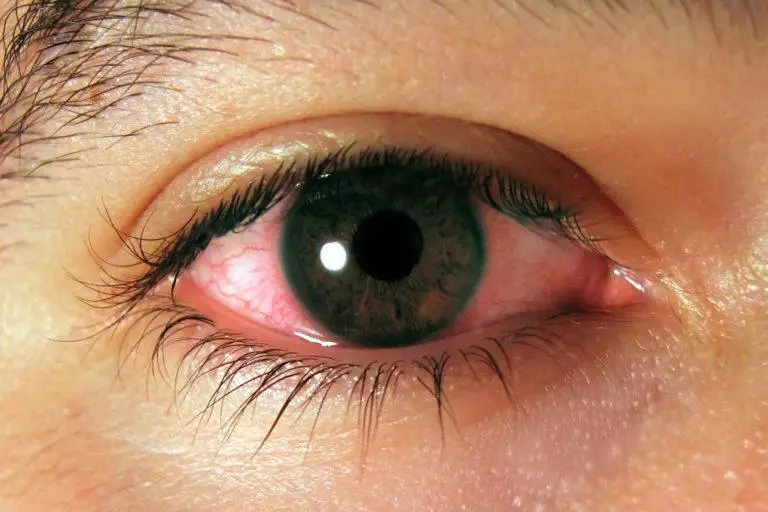
Pink eye (also known as conjunctivitis) is an infection or inflammation of the conjunctiva – the membrane that lines the eyelid and eyeball. This problem isn’t cause for alarm and it will usually clear up on its own in a week or two; however, pink eye symptoms are very annoying and disgusting. You can expect redness, itching, burning, sensitivity, swelling, a gritty feeling under the eyelids, and discharge from the eyes. It’s just plain uncomfortable and disgusting looking.
Contrary to popular belief, pink eye is not caused by grubby kids (though they are skilled at spreading it). Pink eye is most commonly the result of bacteria, viruses, or allergies. Viral and bacterial forms of pink eye are insanely contagious; they can rip through entire schools or offices in a matter of days. To a lesser degree, pink eye can also be caused by chemical irritants, STDs, getting something stuck in your eye, or a closed tear duct (newborns). Though you’ll have to be patient and let your body get rid of pink eye, below you’ll find ways to shorten recovery time and manage pink eye symptoms.
Pink Eye Dangers
Regardless of how you got conjunctivitis, you need to see a doctor to determine the cause and find the best treatment. There are more serious eye disorders with symptoms similar to pink eye. Viral pink eye can lead to an infection of the cornea and possible vision loss. Don’t gamble with your eyes. See a doctor, they’ll get you set straight.
Best Ways to Get Rid of Pink Eye
Soothe pink eye with a hot or cool compress.
Soak clean, lint-free cloths in hot water (cold water for allergic conjunctivitis), wring them out, and place them on your closed eyelids for 10-20 minutes. This can be done several times a day to soothe and get rid of pink eye symptoms. Afterwards, the cloths should be put in the wash or thrown away immediately to prevent spreading contagious pink eye. Also, if only one eye is infected, don’t blanket a cloth over both eyes or you’ll certainly spread it to the healthy one.
Use antibiotics to get rid of bacterial pink eye.
Antibiotics are the best, easiest way to get rid of pink eye. Even if your outbreak was caused by something other than bacteria, your doctor may prescribe antibiotics in case of a secondary infection. Usually, antibiotic eye drops are used to treat pink eye, but you may need an ointment or oral antibiotic for an uncooperative child. Practice good hygiene when applying the medication. Wash your hands before and after, and if you’re using a dropper, don’t let it touch your eye or you’ll have to pick up a new one.
Temporarily get rid of pink eye symptoms with OTC eye drops and pain relievers.
Don’t use eye drops with vasoconstrictors to treat pink eye. These products do “get the red out” but they also delay healing and in rare cases, damage the eye. Look for saline-based products and gentler alternatives like Similasan’s Pink Eye Relief, now called Irritated Eye Relief and sold at Amazon, which can be found in any drugstore. Using acetaminophen (Tylenol, Excedrin) or NSAIDs (Aspirin, Aleve) can help reduce swelling and irritation. They can also calm a crabby, insane child who won’t stop rubbing her eyes.
Get rid of pink eye caused by allergies by using antihistamines and NSAIDs.
Allergies can turn you into a sneezy snot factory, but they can also irritate the membranes around your eyes and cause pink eye. When this happens, use antihistamines and an NSAID (non-steroidal anti-inflammatory drug). There are many OTC options, but if these fail to show results you’ll need to get a stronger prescription allergy medicine. I suffer from allergies during the harvests of the North. I refill my prescription and basically stay inside, cursing agriculture.
Keep your eyes clean.
You don’t want to let the drainage and crusts of pink eye sit and fester. If you do, you’re asking for an infection or a more profound one. To get rid of pink eye gunk, use clean cloths or tissues without dyes or perfumes (moisten for added comfort). Start at the inside of the eye at the nose and wipe towards the outside. Find a clean spot on your cloth for each pass. Wash your hands and throw away or wash the cloths immediately when finished to avoid spreading the fun.
Natural Pink Eye Remedies
Use a tea bag compress. This folk remedy has been around for many years. Certain teas contain elements that can soothe and even get rid of pink eye symptoms – especially swelling and irritation. Calendula, chamomile, fennel, black and green tea have all been used to great effect. Warm the tea bag(s) up (chill in cold water for allergic conjunctivitis) and then place them on the eye for 10 – 20 minutes.
Get your vitamin A. Vitamin A is essential for combating any eye disorder. It protects against infection – especially the mucus membranes that line the eye. In rare cases, vitamin A deficiency actually causes pink eye. No problem. Eat a carrot and get your daily value and then some. Other foods rich in vitamin A include kale, potatoes, spinach, liver, cheddar cheese, whole milk, and corn.
Take zinc. Zinc not only helps your body absorb vitamin A, it also supports and quickens a healthy immune system. There is a growing body of evidence that suggests zinc has antiviral properties, making it a great mineral for getting rid of viral pink eye. It’s best to get zinc from food (meats, fish, seafood, lima beans, pecans, legumes, egg yolks…) but if you’re going to use a supplement, try zinc lozenges, as the body can more easily absorb the mineral in this form. You can find zinc lozenges at Amazon or you can try the zinc in supplement form.
Avoid harsh chemicals and other irritants. Some cases of pink eye are caused by foreign objects in the eye or chemical splashes. There’s not much you can do but flush your eye, use saline eye drops, visit the lab coats, and wait. Chronic pink eye can occur when you’re exposed to chemicals and irritants on a daily basis. You may have to stop smoking or using certain cosmetics. Perhaps detergents and other home cleaning products are causing pink eye. Check out our site How to Clean Things. Our goal here is to free your home of the noxious products spawned by the chemical revolution.
Other dietary considerations. Eat lots of green leafy vegetables and plenty of fruits. Vitamins C and E are especially vital for healing and immunity. Many of these essential vitamins and nutrients work together synergistically; they enhance the effect or absorption of one another. Taking a daily multivitamin is fine if your diet is a work in progress, but getting the goods through food is best. Give your body all the tools it needs to get rid of pink eye as quickly as possible.
Avoid Spreading Contagious Pink Eye
Don’t allow yourself or your precious little one to become the Typhoid Mary of pink eye in your community. The number one thing you can do to avoid spreading (and contracting) contagious pink eye is wash your hands regularly. Do it deliberately. Washing for three seconds is like not washing at all. You need soap, hot water, and friction. Sneezing all over the place can also spread pink eye, so cover up…and then wash those hands. Dry your hands with your own daily-washed towel. Similarly, pillow cases, bathing towels, and washcloths should be washed daily in hot water.
Sadly, if you have contagious pink eye you should throw away your cosmetics (and never share cosmetics). Your contacts can be saved if you wash them and their case thoroughly. Also, don’t touch your eyes. People do this instinctively, but children go nuts. They’ll need a good talk and perhaps a scary story about how touching their eyes will attract cannibals. Many schools have policies about when your child can go back. Generally, you’ll be able to go back a day or two after starting antibiotics (bacterial pink eye) or after about a week (viral pink eye).