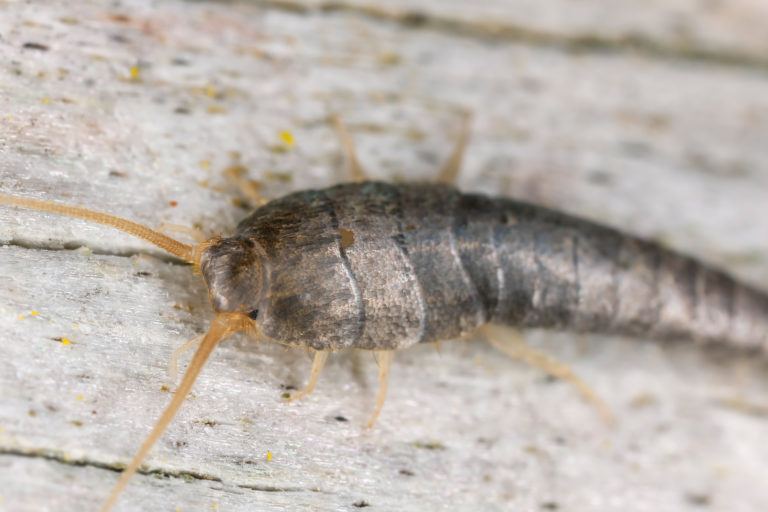
My first experience with a silverfish was in the shower where they’re commonly found. There I was, under the warmth of the spray, soaking in the mist and humidity, oblivious to everything, I felt a sudden wriggling under the arch of my foot. So naturally, being an overweight hairy dude, I jumped, dropped my rag, and screamed like a little girl. Luckily, I was alone in the house, so no damage was done to my street cred. Unfortunately for the silverfish, however, he became silversquish and sailed away down the drain. These nasty little insects, known to entomologists as Lepisma saccharina, are even more primitive than the cockroach. Silverfish infestations are usually small and take quite awhile to grow. Once established ,though, they can make for stubborn house guests. This article will give you some hints on silverfish prevention, control, and extermination.
Silverfish vs. Firebrat
 Commonly mistaken for the silverfish is the firebrat (Thermobia domestica). Though not the same species, proper identification can be difficult. Silverfish are solid silver while firebrats are mottled grayish orange and have more hair. Luckily for you, disposal methods are nearly identical. All of the advice given in this article will also work for getting rid of firebrats with the exception of heat. The warmer you make it, the better firebrats like it. By cooling the infested area to 60°F or lower, egg production of both species can be seriously slowed or even stopped.
Best Silverfish Prevention & Control Methods
Reduce humidity
Water is the key element for silverfish survival. Ventilate attics and basements. Invest in dehumidifiers and fans. Something like the Eva-dry at Amazon may work, but you’ll want to probably get something a bit larger if you’re going whole-home instead of closet or bathroom. Remove water sources. Replace or fix leaky pipes and faucets. Close shower curtains completely. If you don’t have to worry about pets or children getting into it, place silica gel in corners, holes, cracks, and in the cupboard under the sink.

Sanitation.
Silverfish are able to live up to a year without food. Be sure to sweep, vacuum, or mop diligently. Silverfish eat cereal grains, starches, and anything else they can find. They also eat paper, paper sizing, and book glue, so keep papers, magazines, and books in containers with tight lids. Cotton, silk, and linen are also tasty, so pick up the laundry and pay attention to what your rugs are made of. Get rid of mold, too; it’s also on the menu.
Repair or remove wallpaper.
Wallpaper glue can serve as a silverfish meal. If the corners or the edges of a strip of wallpaper are peeling or coming up, you will need to either reattach it, cut it off, or, worst case scenario (and most effective), remove the wallpaper altogether.
Regulate heat and light.
Common silverfish do not like heat or light. They prefer temps between 70 and 80° F. If you can tolerate it, heat the infested room to above 80°F or cool it to 60°F. Use light to force them into areas where they are easier to control.
Cover or fill entry points.
Look carefully for any holes or cracks in walls and floors. Use plaster or caulking to fill them. Silverfish use these holes for entrance into your home. They will also use these same protected places to deposit eggs. Pay extra attention to the small crack between the runner board and the floor.
Silverfish Extermination
Taking care of an existing silverfish infestation will usually require a combination of preventative measures plus a substance for killing silverfish. After you have removed the water, food, and humidity, it’s time to say goodbye to the silverfish bug. The number of commercial products for silverfish pest control is astounding. Residual sprays containing Cypermethrin, such as Demon WP, Cynoff WP, and Cyper WP, leave a film on surfaces allowing these insecticides to work for several months. Talstar One works in the same manner but does not leave a visible residue. Baits, such as Niban, Intice Granular Baits and Silverfish Paks, work well to lure out the silverfish pest. Amazon has niban in a 4lb shaker for a reasonable price. Desiccants, like Drione Dust, dry the silverfish out and work very well for filling in cracks. Aerosols, such as Raid and Air Devil, are also nice for harder to reach places. As with all insecticides, read the directions and warnings very carefully. Not all are meant for indoor use where people and animals might come into contact with them.
Best Natural Silverfish Control Methods
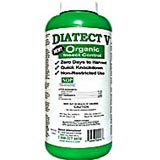
Diatect V Organic Insect Control.
A desiccant made from natural Pyrethrins and diatomaceous earth (food grade only!), Diatect V Organic Control is safe for people and pets. Diatomaceous earth scratches the insect or its breathing structure and causes dehydration.
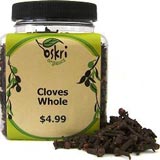
Whole cloves.
Silverfish supposedly don’t like the smell of cloves. You can help deter them by placing whole cloves in places where they are likely to be found.
Boric acid.
Boric acid powder is a natural insecticide that sticks to the legs of silverfish and is taken back to the nest. Works well for dusting hard to reach places.
Orange Guard.
A natural product for getting rid of silverfish. Orange guard uses d-Limonene, a component of the oil that is squeezed out of the rind of citrus fruits, to kill and repel silverfish.
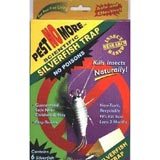
Silverfish traps.
Baited silverfish traps lure silverfish in with the promise of a meal. Once inside, the insect gets stuck to the sticky surface of the trap. You can order these traps from Amazon. You can also make your own by putting tape around the outside of a jar with some water on the inside. The insect can climb in but cannot climb out. You can then drown the silverfish by adding a little dish soap to the water and have that glorious sense of satisfaction for a job well done.