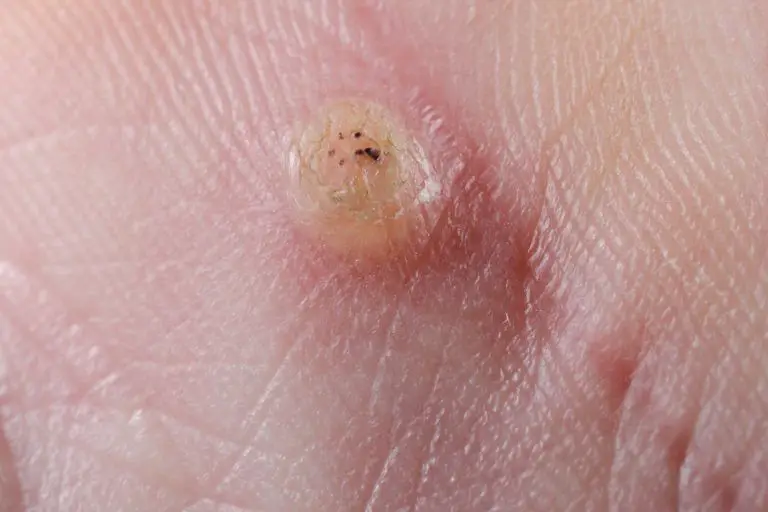
Chances are, if you’ve ever touched a frog, you’ve had a wart or two. Just kidding! That’s just a myth. Warts are common viral and dermatological problem, caused by the human papilloma virus, not an amphibian. This means that warts are contagious, easily passed from person to person, and one initial wart can cause the growth of more warts, which may eventually cause some dermatological issues. Because of this (just like any other contagious infection), hygiene is one of the biggest factors in getting rid of your warts quickly and relatively painlessly, as well as preventing spread of warts to other parts of your body or other people.
No conclusive research has been done on the what causes warts to grow and appear as they do, or on how to get rid of warts once and for all. This means that the best thing you can do to get rid of warts is try the tried-and-true do-it-yourself wart solutions offered here, and seek professional wart removal if those techniques don’t work.
Types of Warts
Common Wart (Verruca Vulgaris)
Common warts are thick, dark, bumps with rough or mottled surfaces that usually appear on the hands, elbows, and knees.
Flat Wart
Flat warts are smoother and flatter than common warts, usually appearing on the faces of women and spread easily by shaving.
Plantar Warts
Plantar warts are found on the bottom of feet and are usually thick and rough, easily mistaken for a callous or corn. Plantar warts grow into the skin and can quickly cover a wide area of skin.
Genital Warts
Genital warts grow on the skin on and around the genital area and vary widely in size and color. See our page on genital warts.
Best Ways to Get Rid of Warts
Salicylic Acid
Treat your warts with salicylic acid, which acts as an irritant to eat away at the build-up of the wart. Castor oil, a paste made from crushed vitamin C tablets and water, or a moist aspirin tablet (held in place with a band-aid) are all possible treatments. Be sure to isolate the treatment on the wart, to avoid further skin irritation.
Tape
Cover warts with a few layers of adhesive tape and keep them covered for up to six days at a time, for as long as a month. Applying the tape after salicylic acid, moistening the wart before application, and filing the wart with an emery board between “tapings” can enhance the removal of dead skin from the wart. Duct tape, scotch tape, masking tape are all viable choices. If you don’t have enough duct tape (and really, who has enough?), you can order rolls from Amazon.
Hot Water
Soak warts in hot water to soften the skin and possibly kill the papilloma virus. Using very hot water, as hot as you can get without burning yourself, soak the wart directly for as long as possible. The water will soften the wart, which can then be worn down further by filing with an emery board. Remember to be gentle on your skin prevent excess irritation and even bleeding.
Bandaids
Keep warts covered, clean, and as dry as possible to limit the spread of the papilloma virus and get rid of warts faster. Wash your warts several times a day with hot soapy water and dry them thoroughly afterwards. Use a bandaid or adhesive tape (above) to keep the your warts covered. Wash your hands before and after touching any one else. Change your socks to reduce sweat build-up on plantar warts.
Medication
Consider FDA-approved OTC options for wart removal. Most OTC wart treatments use varying levels of salicylic acid — ranging from 17 to 60 percent — to remove warts. Look carefully at the active ingredients of any OTC wart remover and follow the directions carefully. Stronger treatments should not be used on children. There’s also the option of freezing it off at home. Amazon sells Dr. Scholl’s Freeze Away for warts.
Medical Wart Removal
If at-home remedies aren’t working to remove your warts, consider visiting a dermatologist to discuss medical options for wart treatment and removal. Common medical wart removal procedures include “freezing” (using liquid nitrogen to freeze warts off the skin), removal by laser surgery, and traditional surgical removal.
Natural Wart Treatment and Prevention
Apple Cider Vinegar or Tea Tree Oil
Soak a cotton ball or pad in apple cider vinegar or tea tree oil and apply it to your wart. For longer treatment, use a bandaid to hold the cotton in place over the wart.
Handwashing
The papilloma virus that causes warts is contagious, so try to avoid touching other people’s warts. Always wash your hands after touching warts on someone else or yourself, to prevent the virus from spreading and new warts from growing.
Flip-flops
Keep your feet covered public places like locker rooms, public showers, hotel bathrooms, and pools. These environments are all breeding grounds for the papilloma virus and the perfect places to grow a new plantar wart.