Cider vinegar--or apple cider vinegar--is one of those natural wonders that prove that God, Allah, Yahweh, Zeus…or whatever, loves us. As the name implies, this strain of vinegar comes from apples--pulverized apples that are fermented into alcohol and then further into vinegar. I'm sure cider vinegar was accidentally discovered when some poor saps were trying to make booze; however, their mistake is our bounty. Cider vinegar has countless uses beyond the kitchen, and I think everyone should have a heaping jug of this stuff on hand.
Naturally fermented, unpasteurized apple cider vinegar is rich in vitamins, beneficial enzymes, and amino acids. For cleaning, any old grocery store brand will suffice; however, if you are using it for its health benefits, it is best to purchase cider vinegar from a reputable health food store. Cider vinegar should have a dark, earthy tone, and sediment should be visible at the bottom. This sediment, which sometimes looks silky or web-like, is referred to as the "mother." Many believe the mother is what endows cider vinegar with its beneficial qualities, but no research exists to confirm this. What the presence of the mother can tell you is that the cider vinegar hasn't been overly filtered, pasteurized, and robbed of its beneficial qualities. Generally, look for the ugliest cider vinegar on the shelf. Below, you'll find a description of just some of the many uses for cider vinegar.
Uses for Apple Cider Vinegar
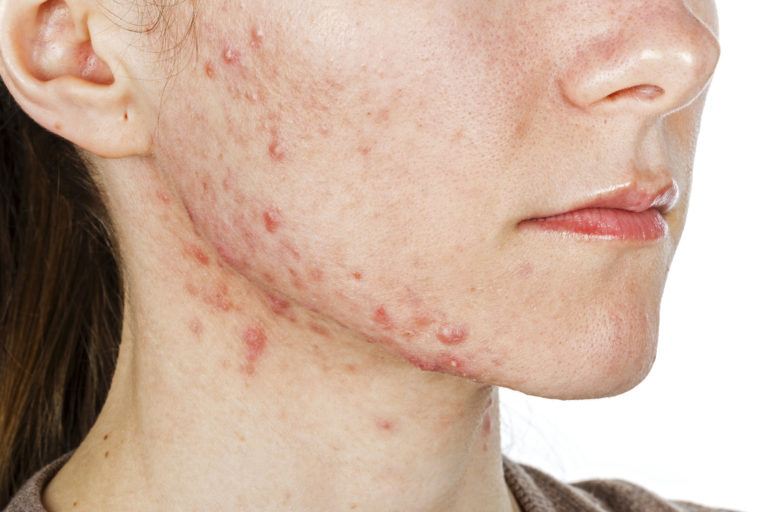
Cider Vinegar can be used to treat acne, blemishes, and oily skin. Vinegar is a natural astringent and has antibacterial properties, so it will dry out oily skin, clean your pores, and kill the bacteria in and around exploding pimples. It will also bring your skin's pH level back to somewhere near normal. It can be especially useful for back acne, or "bacne," as covering such a large area with commercial products can be extremely expensive. When starting out, you should dilute your cider vinegar to one part vinegar, eight parts water, as it is fairly acidic and can cause irritation. Apply your solution topically once or twice daily.
Apple Cider Vinegar is what I use to clean my linoleum floors. It's slightly acidic, so it will dissolve grime or any kind of viscous ooze you've been trying to walk around. It is probably obvious that cider vinegar is a healthier cleaner for you and the planet, but it is also much better for your linoleum than most commercial cleaners. Products like Comet are so harsh that they will literally eat your linoleum over time. An apple cider vinegar of 5% acidity can be used straight up or diluted with water, if you like.
Cider vinegar has long been used to get rid of dandruff. When the skin cells in the scalp reproduce too rapidly, they begin seeking new territory--like the shoulders of your new sports jacket. Using cider vinegar is thought to change the pH level of the scalp, making it unsuitable for the skin fungus that causes dandruff. Also, vinegar will help kill bacteria that clog pores. I recommend diluting to one part vinegar, one part water and massaging the scalp and leaving it in for one to two hours before rinsing. People who use vinegar on their hair or ingest it once a day orally also report added bounce and shine. Bonus.
Apple cider vinegar has the ability to get rid of dog urine or cat urine odor. When I was in school, my mother--tired of politely asking me to get up--would rile our dogs into a frenzy and then unleash them on me. Now and then, the retriever would get so excited that she would urinate all over my bed while licking my face. Nothing could redeem these mornings, but my sheets were made right by adding ¼ cup of vinegar to our regular laundry detergent. This will work with rugs, clothing, bedding, or anything you can wrestle into the washer.
Bring your cider vinegar along on that summer vacation to treat sunburns and insect bites. A healthy body requires sunlight for vitamin D, but if you lack pigment as I do, the difference between a healthy dose and painful blisters is a short time's thoughtlessness. Cider vinegar is a great natural way to relieve pain from sunburn. I've used this before, and it works well. Simply add up to one cup of vinegar to your bathwater, or apply it with a cool compress. Additionally, these same methods will provide instant relief from itchy skin due to insect bites, though your cider vinegar need not be diluted for this use.
Cider Vinegar: The Cure-All Tonic?
Cider vinegar is used as a daily tonic for a myriad of heath issues, including weight loss, high blood pressure, diabetes, allergies, aging, digestion, cancer, the common cold, cholesterol, and.... The use of apple cider vinegar as a medicine dates back centuries. Hippocrates, the father of medicine, prescribed it with honey for just about every ailment. Pain in your head? Apple cider vinegar. Hurts when you urinate? Apple cider vinegar. The problem with cider vinegar is that, for the most part, many of its encyclopedia of uses lack empirical medical research; however, recent findings may eventually give credence to this natural treatment. Below are three uses that represent only the tip of the iceberg of cider vinegar's medicinal uses.
High Blood Pressure: A few recent studies have shown that cider vinegar may reduce high blood pressure--the silent killer. This may be because of cider vinegar's acetic acid, which has long been thought to combat hypertension, or it may be because of cider vinegar's blood-thinning qualities.
Diabetes: More convincing is the research concerning diabetes. Recent, albeit limited, studies found that taking two tablespoons of cider vinegar daily can lower glucose levels by as much as 6%.
Weight Loss: Lastly, I think apple cider vinegar's use as a weight control supplement deserves attention, as this is one of its oldest and most popular uses. Limited research shows that people who have cider vinegar with a meal, or two tablespoons before a meal, will feel more full or sated. Also, cider vinegar's acetic acid and pectin are purported to bolster metabolism.