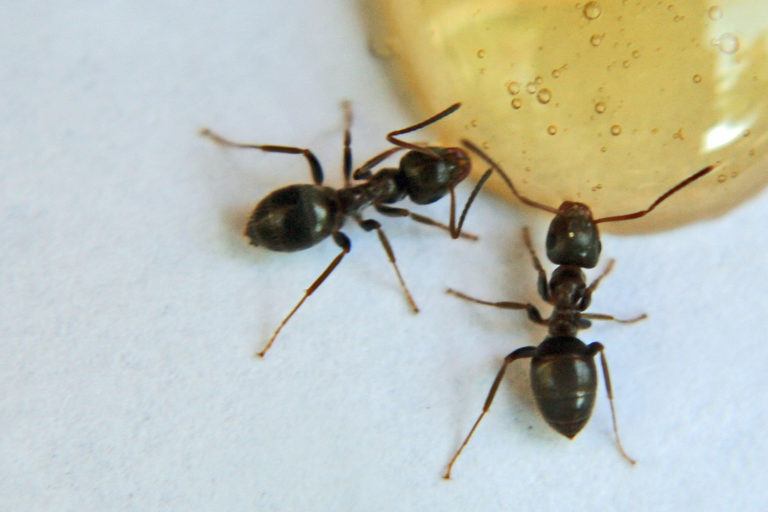
Quick fix: Terro ant baits.
Terro is probably the most common ant bait available in supermarkets, and they're about as safe as pesticides get. Most baits are made with boric acid which is only toxic to infants in very high doses.
I've been working on the subject of ant control for a long time now. In fact, this article was one of my first projects, and I have updated it a number of times over the past couple of years. Changes in structure and further research compel me to get you good answers to common problems—ants not being the least of those issues. The most problematic question is: what kind of ants are we trying to get rid of?
There are so many varieties found in North America, it's almost impossible to know what is what. Some (like the Argentine Ant) are more of a problem on the West Coast than they are on the East Coast. Fire ants are a problem only in the south, while the carpenter ant seems to keep both southerners and my people up north quite busy, as well. So, what we're going to do is approach the subject of how to get rid of ants by showing you the most common types of pest ants, and then we'll go over some basic household ant control after that.
Terro is probably the most common ant bait available in supermarkets, and they're about as safe as pesticides get. Most baits are made with boric acid which is only toxic to infants in very high doses.
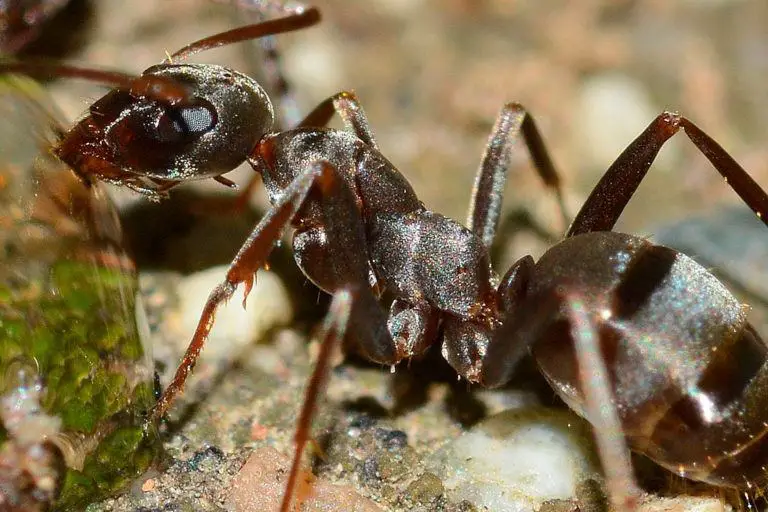
To get rid of sugar ants: sweet-based ant baits. The pavement ant is perhaps the most common to invade houses, apartments, and other places where food can be found. It is mistakenly called both the sugar ant (which is exclusive to the Australian continent) and the house ant (of which there are many). Pavement ants are the little brown ones that make small mounds in the sand near sidewalks, driveways, and the sides of houses. I've had plenty of problems with these, and I prefer Terro brand traps to control them.
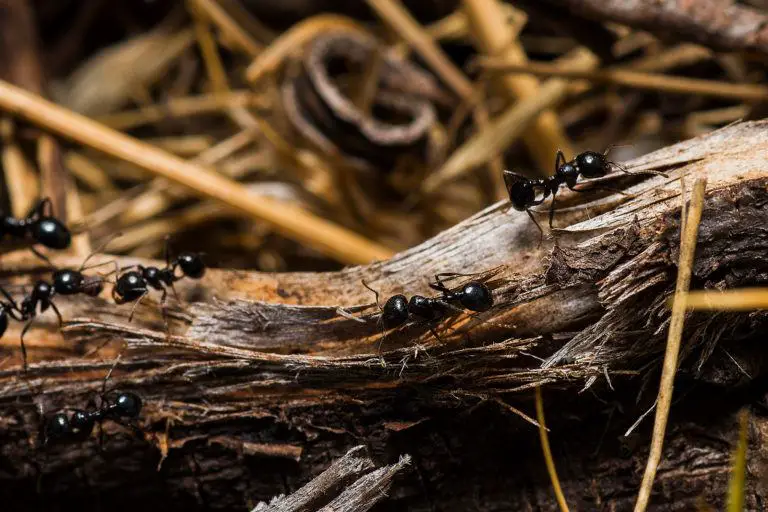
To get rid of black ants: sweet baits, again. This species is particularly obnoxious because of its persistence in getting what it wants, and it will eat just about anything: sugars, proteins, you name it. In some instances, these ants are found in hospitals where sterilization standards are lax. The Pharaoh Ant is often blamed for transferring dangerous bacteria like Staphylococcus and Psuedomonas, according to the Ohio State Extension Office. Sweet baits placed near trails or high traffic areas are the most efficient form of control. As I mentioned earlier, Terro makes a quality bait.
To get rid of argentine ants: a combination of protein-based and sweet baits. These little jerks are destroying America's environmental and ecological balance by killing off native species, thereby starving the natural predators of these species. They also form a symbiotic relationship with aphids (a common garden pest), tending to and even transporting aphids in return for the sweet secretions the aphids produce. Argentines will eat just about anything they can get their grubby hands on, and they are a particularly social species of ant that "teams up" with other colonies nearby. Broadcast baiting with insecticide granules like Niban seems to be the most effective way to control colonies outside, coupled with sweet baits to help control in-home populations.
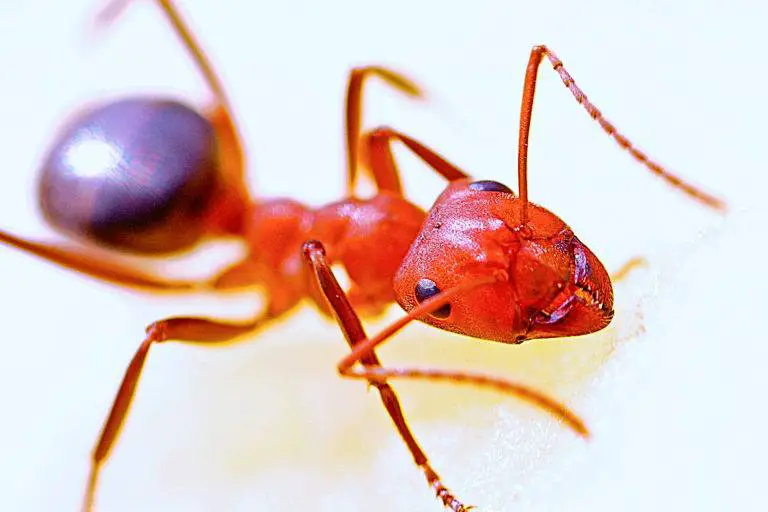
To get rid of fire ants: protein-based ant baits. The sting causes intense pain, sweating, and sometimes anaphylactic shock. Again, broadcast baiting with Hydramethylnon granules (Amdro, Maxforce, and Siege are reputable brands) is probably the best way to control them; though, it should be noted that most fire ant baiting methods are only temporary, and need to be repeated every 2-4 weeks.
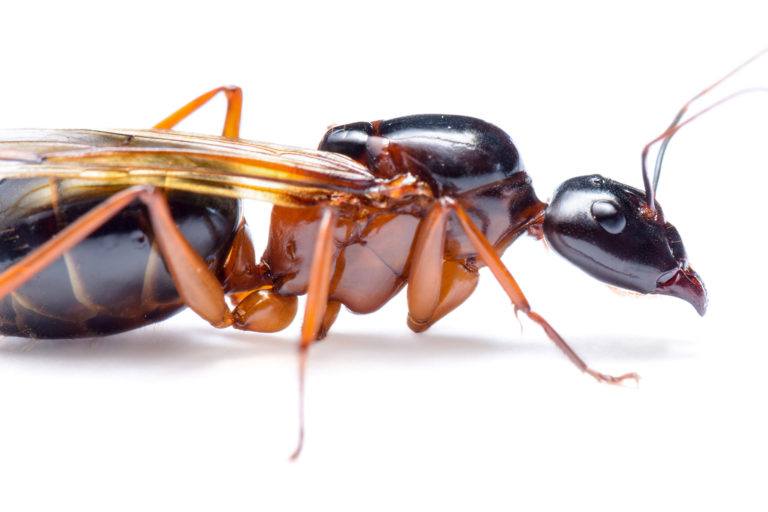
To get rid of carpenter ants: bendiocarbs or Niban. People often mistake this species for termites once they start to swarm, coming out of cracks in the walls and flooring of a house. Carpenter ants do not, in fact, eat wood. If they have reestablished themselves in a home, it is only because there is an ample food supply (sweets and proteins). They burrow through wood only to expand their nests. Locate their nest by listening for rustling noises in walls where you most often see them wandering around. Once the nest is located, drilling holes and applying residual and aerosol insecticides in combination seems to be the most effective way to solve the issue.
Species that can't be taken care of with the steps outlined above will need to be dealt with using ant baits. Most pest control professionals refer to the poison as "ant bait," because ants will only eat the poison if they take the bait it's been applied to. There are basically two types of bait, and two means of delivering that bait: