how to get rid of bees
January 4th, 2007

Stop! Before you do anything about removing bees or removing bee nests, you should first attempt to contact a local beekeeper.

There is a good chance they will get rid of your bees for free. Why? Because in the last few years wild honey bee populations have dwindled down to almost 3% of their estimated original population. Before resorting to bee killer, steps should be taken to remove the bees peacefully, without chemicals. Ask around your local co-op; someone is bound to know a beekeeper.

Bees really are amazing creatures. They communicate by dancing, and by dancing, bees can actually pinpoint food sources for other bees. I mean, if we're going to talk about the miracles of evolution, bees are certainly one of them. Of course, bees can also be a nuisance, especially when they start making their home near yours. I understand why getting rid of bees might be a priority for you right now. The most common places to find bees would be under eaves and awnings, porches, and in the voids of walls--a particularly annoying place for a queen bee to choose as a nest. Just this summer I got my first sting from a bee where the colony had made its nest just under the first step of my mother's second-story porch. It was painful, but I wouldn't say I hold it against the poor thing. It did leave part of its ass (attached to the stinger) hanging from my ear and died what I imagine was a very painful death--without its ass. So, if you want to avoid getting stung when you wander outside, here is how to get rid of bees.

Steps to Getting Rid of Bees

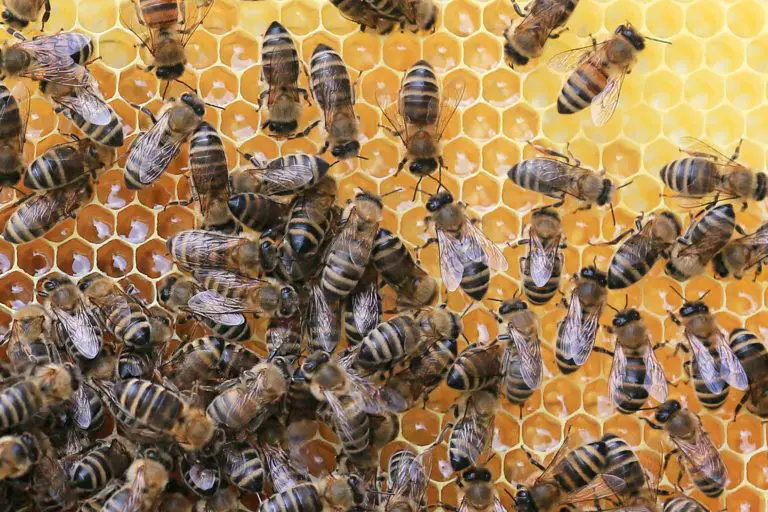
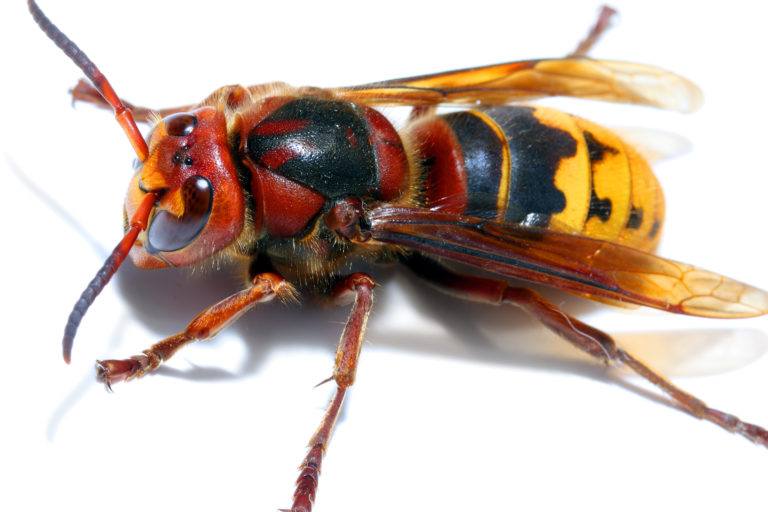
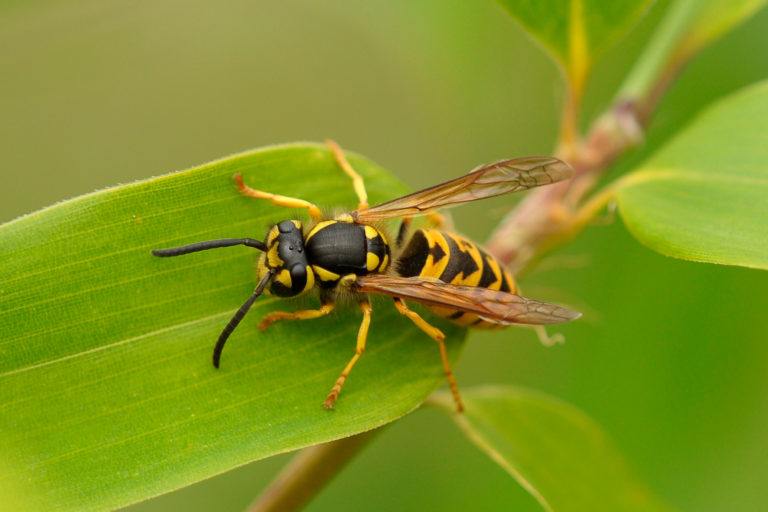
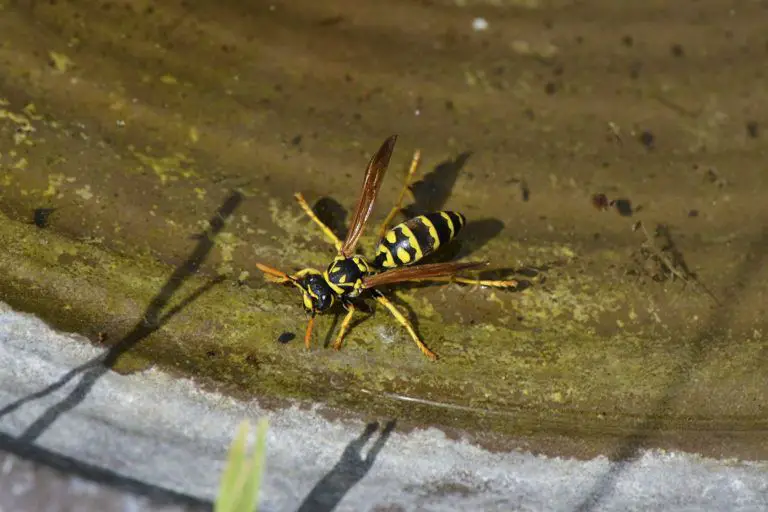
how to get rid of bees image oneIf you want to get rid of bees, you should try to figure out if its even a bee. To your right is an image of a honey bee. That's not a wasp. A wasp looks more sleek; they're like the jet-fighters of the insect world. Bees are less imposing. If the pest in question doesn't look anything like this bee, then it's probably a wasp, and you'll want to go to the article about getting rid of wasps, yellow jackets, or hornets. If it looks like a bee, then you should proceed to the next step.

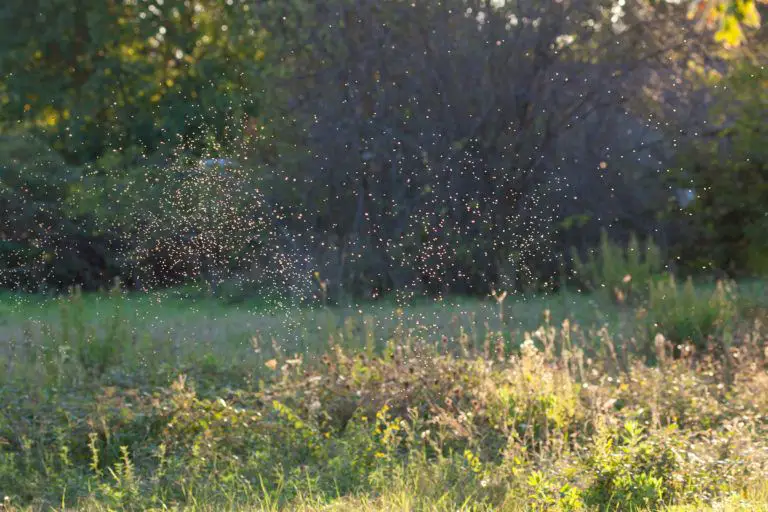
In order to get rid of bees, you'll have to find their nest. Because bees are diurnal (day dwelling) insects, it's easier to find their nests at the beginning of dusk when the sun starts to set, or late dawn when the sun starts to rise. This is when you'll notice the shimmer of wings in the twilight moving toward one particular area. Often times you'll see a whole cloud of them surrounding a hive as they make their way indoors or outdoors.

If you want to get rid of bees, you're going to have to kill the bees. Spraying Raid into the nest is your best bet. This should be done in the evening, or in the dark, whichever is your preference. Dressing up in sweats with elastic bands with thick socks and gloves would be a good idea if you don't want to risk being stung. I would recommend a face mask if you're paranoid, but you may want to spare your neighbors the confusion of seeing a thief armed with an aerosol can in your backyard.

To make sure you really do get rid of the bees, spray the nest once more during the following evening. You should probably keep your eyes on the nest during dusk or dawn to see whether or not there is any traffic going to or from the bee nest. If you don't see any bees, then chances are you did the job right. If you do see bees, do what I told you and spray the bee nest one more time. Check the following morning to make sure you got rid of the bees for good.

Once you're certain the bees are dead, it's time to get rid of the bee nest. You don't want this nest to be reclaimed by different bees later in the season. To be certain you avoid the risk of being stung, dress yourself in your silly-looking sweats again—sweats work well because the thickness provides a buffer between your skin and their stinger—and go knock that nest down. If it's a nest in the ground, make sure to fill the hole you found it in. If it's a nest in your siding, you may have to call a professional to have it removed. Otherwise, you can read the article about getting rid of a beehive that Peder wrote.

Pesticides and Bee Killer

Almost every time I or others have had to get rid of bees, it was done with Raid. Certainly, Raid is not a good thing to be spraying around the house, but I trust Raid as a brand-name pesticide and bee-control poison. There are other ways to get rid of bees; for instance, boric acid (otherwise known as borax, often sold as a fine powder) is a slow but certain remedy for killing bees that have made a nest in your siding. The reason for using borax dust is because sprays may not reach the hive if they've built the nest far enough into the wall. Borax works with bees much the same way it works with ants. The bees get the dust on themselves, and they bring it back into the nest with them, eventually poisoning the entire colony. Other pesticide dusts can be found under the names Sevin and Apicide. Other bee-killing pesticide sprays are MicroCare and Baygon.

Bee Articles

Identifying Bees

Honey bee
This is a honey bee.

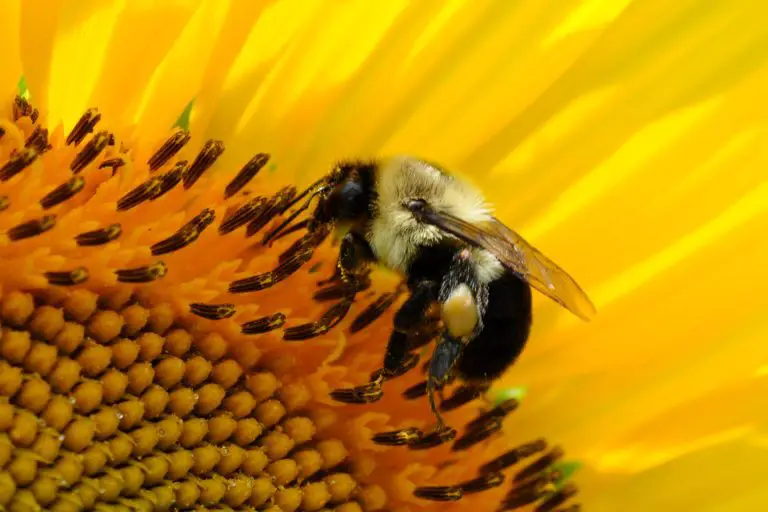
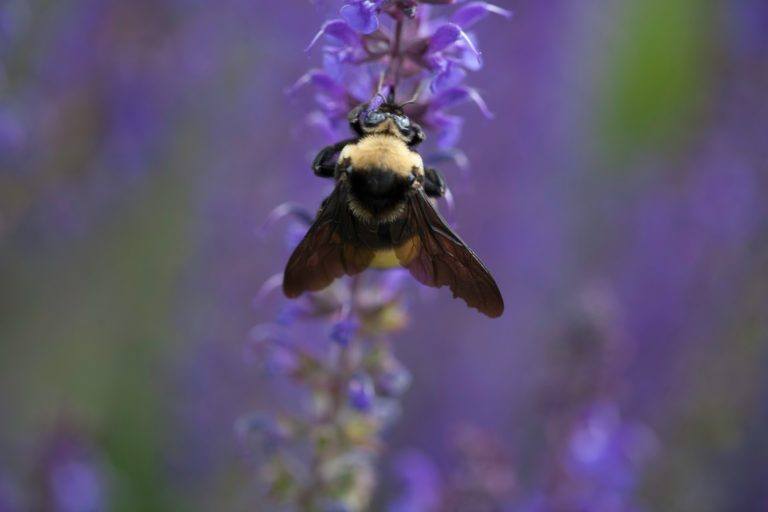
bumble bee
This is a bumble bee.

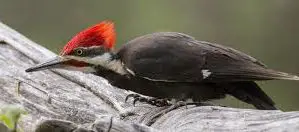
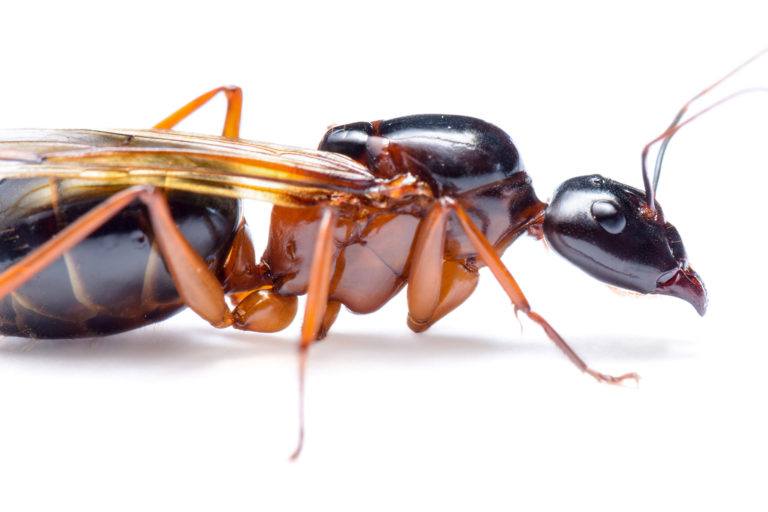
Carpenter bee
This is a carpenter bee.

Bee Stings

What should you do if you're stung by a bee?

  1. Wipe away the stinger and the poison sac in a sideways motion to ensure that you don't drive the stinger deeper into the skin.
  2. Put ice on the sting immediately to curb any swelling that might occur, and take a pain reliever to help with the pain--the pain of a sting usually dissipates after 30 minutes.
  3. If you have swelling and itching, an antihistamine lotion like calamine should help.

Bee Sting Allergies

If you start to notice shortness of breath, heart palpitations, or you have had severe allergic reactions to other kinds of insect bites, you should seek medical attention immediately. Having what doctors call an "EpiPen" in the house is a common recommendation for people who have severe allergic reactions to bee stings.

Natural Bee Control

A Bee Trap, fashioned from a 2 liter bottle of soda, is a safe and natural way to get rid of straggling bees. It won't solve your bee problem if you have a nest, however. Bee traps are meant to reduce the number of bees in your yard, not to kill all of the bees in the area. Simply cut the conical part of the bottle off, turn it on its end to create a funnel and staple it into place. Then, fill the bottle with a few inches of juice or soda and hang the bottle in your yard. A majority of the bees will find their way in, but they won't find their way out.

Borax is a perfectly natural solution to a bee problem. If you can find a way to get the powder into the bees' nest, it should take care of your bee problem in a matter of days. Borax, or boric acid, is a natural mineral that is mined, refined, and then sold as a powder and is most often referred to as borax. It can be used to kill any number of pests, so long as those pests make contact with the powder.