June 3rd, 2007
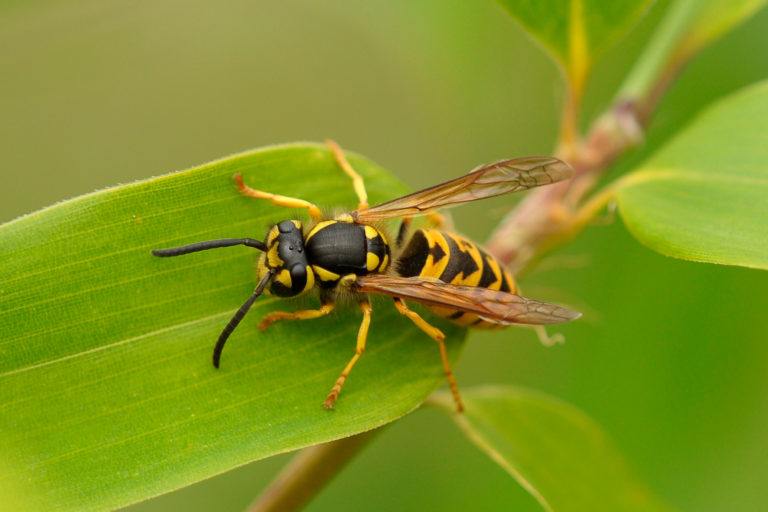
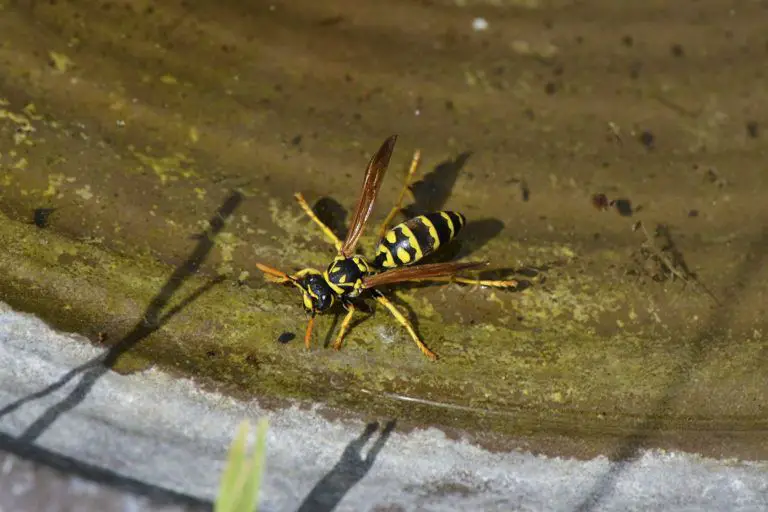
Getting rid of yellow jackets can be one of two things: time consuming or painful, sometimes both. The Yellow Jacket (of the Vespula genus) is perhaps the only wasp that can be considered pestiferous if we take it's aggressive colony size and protective behavior into account. This aggression on the part of the yellow jacket genus is most noticeable toward the end of the summer when the colony begins to break down and workers seek out more sugars and sweets to sustain themselves and what's left of their young. Not only does the yellow jacket wasp's behavior change toward the end of the warm season, but the size of a colony can be impressively large if left unimpeded.
For the most part, wasps are hunters and rarely scavengers, and this generally applies to yellow jackets as well, but there are particular species within the Vespula genus that tend to scavenge more aggressively than others. Vespula Vulgaris, for example, is one of these scavenging species, and because of their scavenging behavior, they tend to come into contact with humans on a more regular basis than wasps that hunt for live prey. This article will focus on controlling yellow jacket wasp populations first through non-chemical, physical preventative measures. If preventative yellow jacket control cannot be achieved, then the final section regarding direct yellow jacket nest treatment and removal is the final step to get rid of yellow jackets.
Poisonless Yellow Jacket Control
Keep pet food and other sources of protein indoors. Yellow jackets, like other wasps, really do enjoy protein, and nothing is packed with more accessible proteins than pet food floating around in a water dish. So, keep your dog's or cat's food bowl inside during the warmer months, or find a way to protect that pet food from foraging pests like yellow jackets and other scavenging wasps.
Keep your garbage cans sealed tightly. Our garbage bins are not only a windfall for stray dogs, stray cats, and the occasional raccoon, but also for yellow jacket wasps who will feed on the leftover proteins and sugars we tend to throw out with the trash. Scraps of meat and fish are particularly pleasing to a yellow jacket's appetite, as well as old 2-liter bottles of pop, bottles of syrup, and fruits.
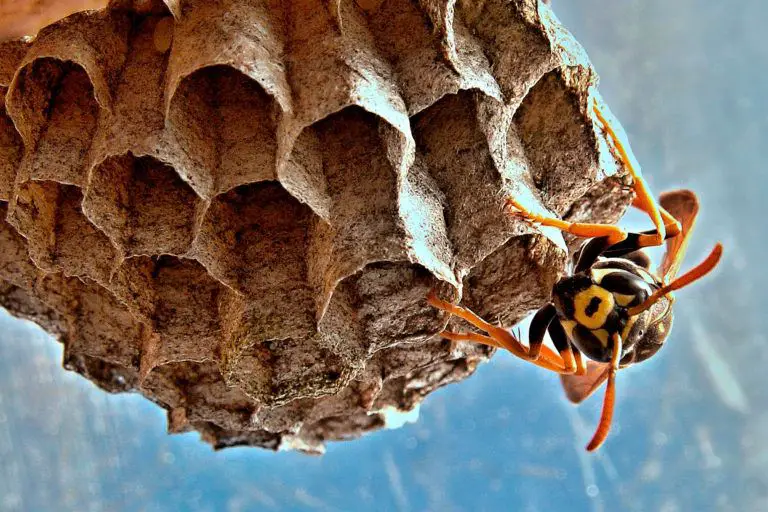
Make sure awnings and siding is properly sealed to get rid of yellow jackets. Preventing yellow jackets from gaining entrance to the voids in the siding and roofing of your home is high recommended because hidden wasp nests are particularly difficult to get rid of and may require the services of a pest control professional. If you can't stand having wasps living behind your walls, having a professional remove them for you is going to be like a root canal on your wallet. If you're patient, cold weather will eventually kill the colony, and then you can seal the entrance without driving wasps into your home.
Sweets should not be left out to prevent yellow jackets from gaining access to the sugar. Studies done on yellow jackets show that populations with access to large amounts of refined sugars build incredibly large colonies much faster than colonies whose access to food is restricted to their natural diet of nectar and live prey. If you're enjoying a soft drink, soda, or anything sweet outside, make sure to keep a lid on it or inspect it for yellow jackets before taking a drink.
Mechanical, non-toxic traps are a good way to get rid of yellow jackets. There are a couple of theories surrounding the appropriate timing of yellow jacket and wasp traps, but most experts agree that traps should be put out during the earlier months of the warm season. If traps are set before yellow jacket queens begin their search for proper nesting grounds, it's possible to spare your community one more yellow jacket colony by killing that one queen. Otherwise, traps set during the first few weeks of summer should keep yellow jacket populations at a manageable level during the peak season.
How to Kill Yellow Jackets & Nests
A yellow jacket colony is killed and the nest removed much like any other wasp nest, only most yellow jacket nests are found underground. So, here are some things to consider before you go running out with a can of wasp and hornet killer in a pair of cut off bluejeans and a checkered t-shirt:
- Covering yourself with thick sweats will help make it harder for yellow jackets to sting you.
- It's best to treat a yellow jacket nest in the early summer before they build a larger colony.
- It is also advisable to wait for a particularly chilly night to poison a yellow jacket nest because yellow jackets have a hard time flying in temperatures below 50 degrees fahrenheit.
- It is best to treat a yellow jacket nest in the late evening with either a dust insecticide like Sevin or Dursban, but usually an aerosol will do so long as the poison reaches the nest. Hell, try two cans.
- Once it is certain that all of the yellow jackets are dead, you should fill the hole with stones first, and then pack it with dirt to make sure no one trips in the loose soil.
Any yellow jacket nests discovered in later summer or early fall should just be left alone. The coming cold will take care of a yellow jacket nest for you.